by
by 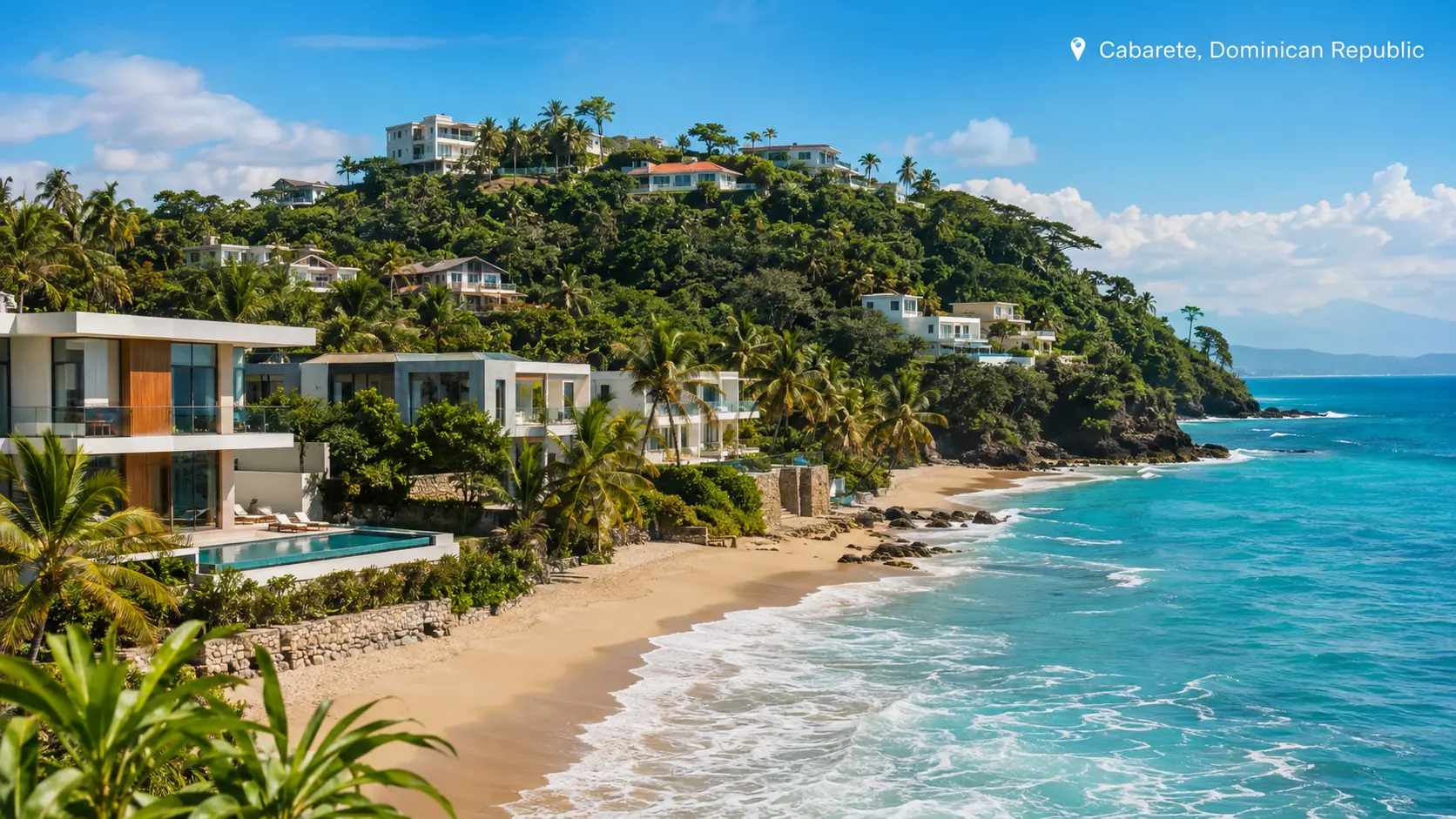
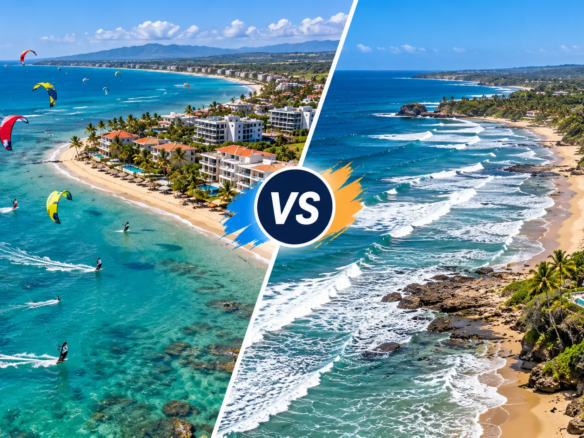
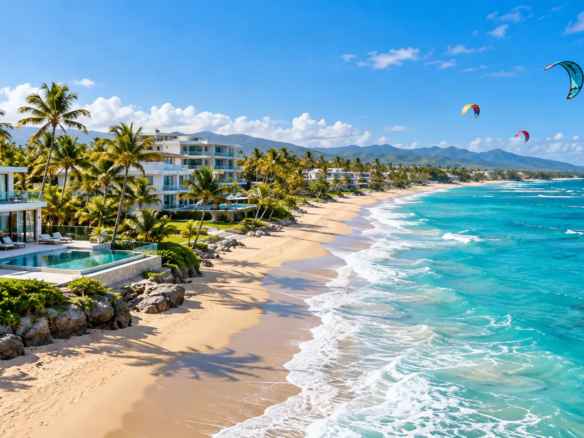
Living in Cabarete means beach mornings, surf lessons after breakfast, and a mix of Dominican and international neighbors on every street. This small north-coast town on the Dominican Republic’s Atlantic coast has grown from a windsurfing secret into one of the country’s most popular spots for expats, remote workers, and retirees. The pace is slower than the capital, the ocean is louder than traffic, and daily life revolves around the water. If you’re weighing a move or a property purchase, this guide covers real numbers, real neighborhoods, and what to expect once you settle in.
Cabarete Puerto Plata Dominican Republic real estate has become a magnet for buyers who want beach access without the price tag of Punta Cana. Prices here still sit below Cap Cana or Casa de Campo, while rental demand from kitesurfers and digital nomads keeps occupancy high year-round. This guide breaks down housing costs, lifestyle details, and the closest beaches, including Encuentro Beach Dominican Republic, one of the top surf spots on the island. By the end, you’ll know exactly what living here costs and whether it fits your goals.
Cabarete Real Estate Price
| Property Type | Price Range (USD) | Best For | Distance to Beach |
| Studio Condo | $85,000 – $150,000 | Rental income, solo buyers | 5–10 min walk |
| 2-Bedroom Condo | $150,000 – $280,000 | Couples, small families | 3–8 min walk |
| Villa (private pool) | $280,000 – $650,000+ | Full-time residents | 5–15 min drive |
| Beachfront Land | $200 – $450 per m² | Custom builds | Direct access |
| Gated Community Home | $220,000 – $500,000 | Long-term expats | 5–10 min drive |
What Daily Life Looks Like in Cabarete Town
Cabarete town runs on a simple rhythm: coffee at a beachfront café, work or errands by midday, then kite or surf sessions as the wind picks up in the afternoon. The main strip has grocery stores, pharmacies, gyms, and enough restaurants to eat somewhere new every night for a month.
Traffic is minimal compared to Santo Domingo or Puerto Plata city. Most people get around on scooters, in golf carts, or by walking. English is widely spoken in shops and restaurants because of the large expat and tourist population, though basic Spanish still helps with daily errands and paperwork.
The town splits into a few clear zones:
- Kite Beach: the windsurfing and kitesurfing hub, packed with beach bars and gear shops
- Downtown Cabarete: the main commercial strip with restaurants and nightlife
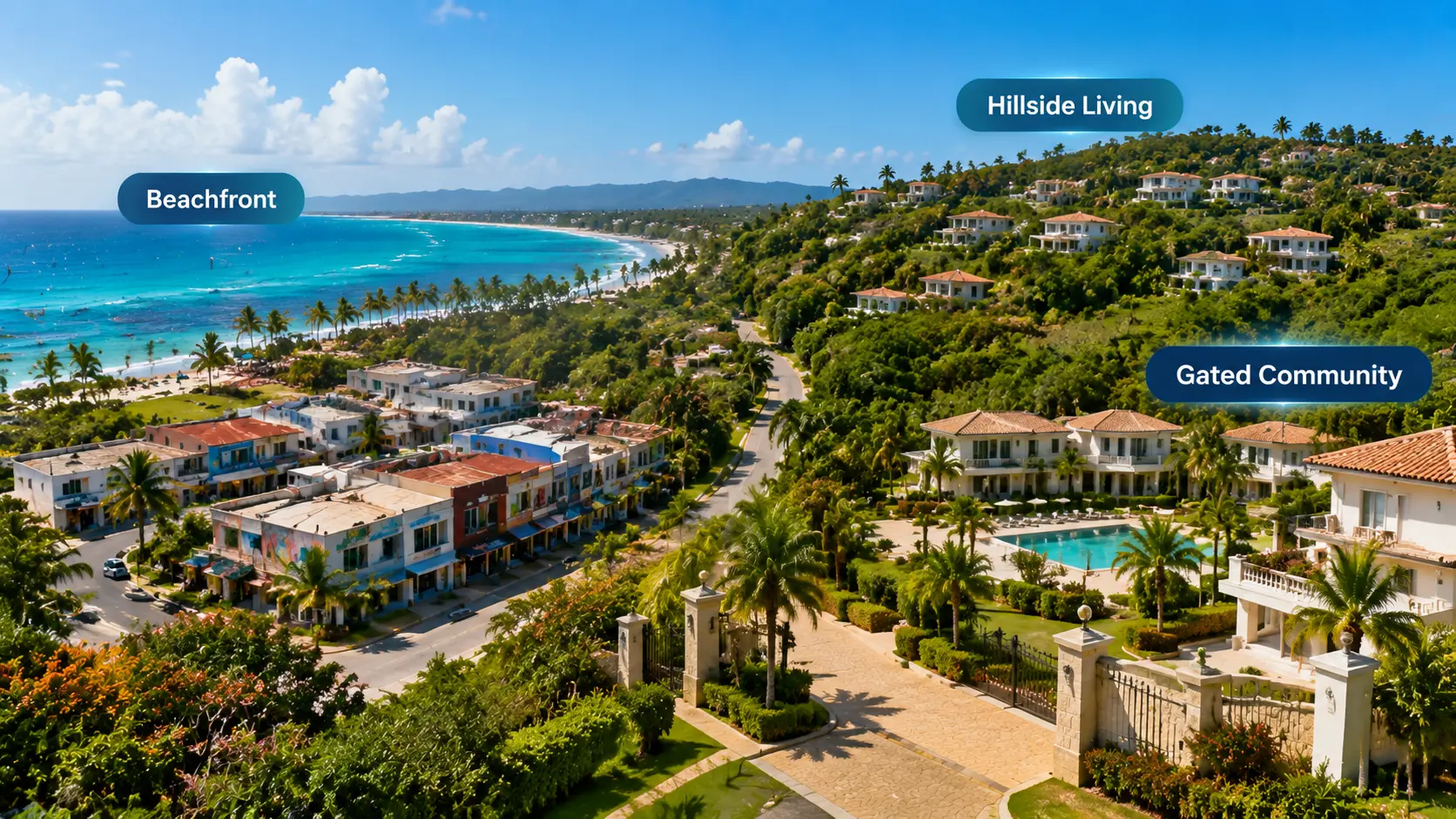
- Callejon de la Loma: a quieter residential hill area with ocean views
- Perla Marina: a gated community popular with families
Cabarete Puerto Plata Dominican Republic Real Estate: Buyer Trends
Cabarete Puerto Plata Dominican Republic real estate attracts three main buyer types: rental investors, retirees, and remote workers relocating full-time. Condos near the beach lease out fastest, especially units within walking distance of Kite Beach or downtown restaurants.
Land prices have climbed steadily over the past five years as Puerto Plata’s airport added more direct flights from the US and Canada. Buyers who purchase now are often locking in prices before the next wave of infrastructure upgrades pushes values higher.
A few factors drive current demand:
- Direct flights into Puerto Plata (POP) airport cut travel time from major US cities
- Growing remote-work community keeps rental occupancy strong outside peak season
- Lower entry prices than Punta Cana or Cap Cana for comparable beach proximity
- New developments offering titled property, which simplifies the buying process for foreigners
If you want move-in-ready options, beachfront residences with resort-style amenities give buyers a turnkey path into the local market without managing construction.
Best Neighborhoods for Living in Cabarete
Living in Cabarete looks different depending on which neighborhood you pick. Families often choose gated communities with pools and security, while surfers and younger buyers gravitate toward walkable spots near the water.
Kite Beach and Downtown
This is the liveliest section, full of restaurants, yoga studios, and beach clubs. It suits buyers who want everything within a five-minute walk.
Callejon de la Loma
A hillside residential area with quieter streets and ocean views. It’s a solid pick for people who want privacy but still want a short drive to the beach.
Perla Marina and Nearby Gated Communities
These communities offer more structured amenities like shared pools, landscaping, and 24-hour security. For buyers who want a hillside setting surrounded by greenery, hillside villas with private pools and mountain views offer a quieter alternative to beachfront living.
Life Near Encuentro Beach Dominican Republic
Encuentro Beach Dominican Republic sits just a few minutes east of Cabarete town and ranks among the best surf breaks on the island’s north coast. It draws a different crowd than Kite Beach, more surfers, fewer tourists, and a laid-back café scene that fills up on weekend mornings.
Properties near Encuentro tend to hold value well because the beach itself can’t be overdeveloped; much of the shoreline sits below cliffs and protected land. Buyers looking for a mix of surf culture and long-term appreciation often target this stretch first.
For buyers who want direct ocean frontage in this corridor, oceanfront homes along the Encuentro coastline sit within a short drive of the main surf breaks and local cafés.
Cost of Living in Cabarete
Monthly costs vary by lifestyle, but here’s a realistic baseline for a single person or couple renting or owning outright:
- Groceries: $300–$500/month
- Utilities (electricity, water, internet): $150–$300/month
- Dining out a few times a week: $200–$400/month
- Transportation (scooter rental or gas): $50–$100/month
- Household help (optional, common locally): $100–$200/month
Electricity costs more than in the US per kilowatt-hour, so homes with solar panels or inverter systems save real money over time. Water and internet are affordable, and most new developments include backup generators for power outages.
Why You Need a Local Cabarete House Broker
A Cabarete house broker who works exclusively in this market knows which developers deliver titled property on time and which ones have a history of delays. Foreign buyers face different steps than Dominican nationals, including title searches, notary requirements, and currency transfer rules.
A broker who lives and works in the area can also flag issues a remote buyer would miss: flood zones, road access during rainy season, or HOA fees that jump after the first year. This local knowledge matters more here than in markets with standardized listing data.
If you’re comparing coastal towns before deciding where to buy, this breakdown of property ownership pros and cons in the neighboring beach town is worth reading alongside your Cabarete research.
FAQs
Is Cabarete a good place to live full-time?
Yes. Cabarete works well for full-time residents who want beach access, a walkable town center, and an active expat community. The main trade-off is a smaller selection of specialty shops and hospitals compared to Santo Domingo.
How much does it cost to buy a house in Cabarete?
Condos start around $85,000, while villas with private pools typically run $280,000 to $650,000. Land prices near the beach range from $200 to $450 per square meter depending on proximity to Kite Beach or Encuentro.
Is Encuentro Beach better than Kite Beach for surfing?
Encuentro Beach has more consistent waves and a stronger surfing focus, while Kite Beach is built around kitesurfing and windsurfing. Many residents visit both, since they sit only a short drive apart.
Can foreigners buy property in Cabarete without restrictions?
Yes. Foreigners have the same property rights as Dominican citizens under national law, with no special permits required for residential purchases. A title search through a licensed attorney is still the safest step before closing.
What is the rental income potential for Cabarete condos?
Well-located condos near Kite Beach or downtown typically earn 6% to 10% annual ROI, depending on management and seasonality. Units within walking distance of the beach rent out fastest during peak winter months.
Is Cabarete safer than other Dominican Republic beach towns?
Cabarete has a generally safe reputation for a tourist town, with an active local police presence and a tight-knit expat community. Basic precautions, securing homes, avoiding isolated areas at night, apply here as they would anywhere.
How far is Cabarete from Puerto Plata airport?
Cabarete sits about 20 to 25 minutes from Gregorio Luperón International Airport (POP) by car. This short drive is one of the reasons buyers pick Cabarete over towns farther from direct international flights.
Conclusion
Living in Cabarete suits people who want ocean access, a walkable town, and a real community rather than a resort bubble. The market still offers entry prices below Punta Cana, rental demand stays strong thanks to the surf and kite crowd, and neighborhoods range from lively beachfront strips to quiet hillside streets. Whether you’re drawn to the energy near Kite Beach or the surf culture around Encuentro, the town gives buyers more than one way to settle in. Costs stay manageable if you plan for electricity and factor in a solid broker relationship from day one.
Before you commit to a property, walk the neighborhoods at different times of day and talk to residents who already made the move. Compare titled listings against off-plan developments, since delivery timelines vary widely between developers. A broker who specializes in this specific stretch of coastline will save you from common mistakes foreign buyers make. Cabarete rewards buyers who do their homework, and the payoff is a beach life that’s hard to match anywhere else on the island.