by
by 
Yes, Canadians can buy property in the Dominican Republic with the same rights as local citizens, and there are no restrictions based on nationality. This makes the country one of the easiest Caribbean markets for foreign buyers to enter. Every year, thousands of Canadian buyers close on condos, villas, and beachfront land from Sosua to Punta Cana. If you are searching for a smart way for Canadians to buy property abroad, this guide breaks down the full legal and financial picture.
The Dominican Republic offers full fee simple ownership to foreign nationals, meaning you own the land and structure outright, just like at home. There is no need to form a local company or partner with a Dominican citizen to hold the title. Prices remain far below comparable Canadian coastal markets, which is why so many snowbirds are shifting their search south. This article covers pricing, legal steps, taxes, and the best towns for Canadians buy property searches right now.
Canadian Buyers in the Dominican Republic
Before touring listings, it helps to see how property types and towns stack up on cost. This table reflects average asking prices and rental return estimates gathered from active listings across the north coast and Punta Cana region.
| Property Type | Location | Average Price Range (USD) | Estimated Rental ROI |
| Studio Condo | Sosua | $75,000 to $120,000 | 7% to 9% |
| One Bedroom Condo | Cabarete | $110,000 to $180,000 | 6% to 8% |
| Beachfront Villa | Cap Cana | $450,000 to $1.2M | 5% to 7% |
| Resort Residence | Punta Cana | $150,000 to $350,000 | 6% to 9% |
| Land Lot (500m²) | Puerto Plata Province | $40,000 to $90,000 | Not applicable |
Numbers shift with the season, so always confirm current pricing with a licensed broker before making an offer.
Legal Requirements for Canadians Buy Property Transactions
Dominican law treats foreign buyers and local buyers almost identically under Article 51 of the Dominican Constitution, which protects private property rights regardless of citizenship. You do not need residency or a work permit to purchase a home or condo. A Canadian buyer only needs a valid passport and a local tax identification number, called an RNC, to complete a purchase.
The process runs through a notario publico, a notary attorney who verifies the title, drafts the sale contract, and registers the transfer. Most Canadian buyers also hire an independent real estate lawyer to double check the title search separate from the seller’s notary. This second layer of protection catches liens, boundary disputes, or unpaid taxes before closing.
Title Search and Due Diligence Steps
- Confirm the property has a clean Certificate of Title issued by the Title Registry Office
- Check for outstanding property tax or IPI debt tied to the parcel
- Verify the seller’s legal capacity to sell, especially for inherited property
- Review zoning rules if you plan to build or renovate
Local Areas Where Canadians Buy Property Most Often
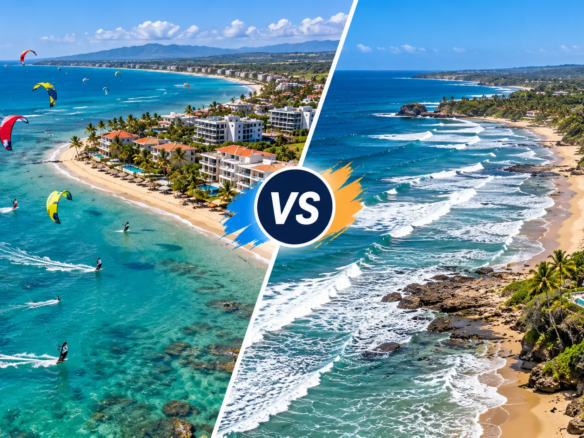
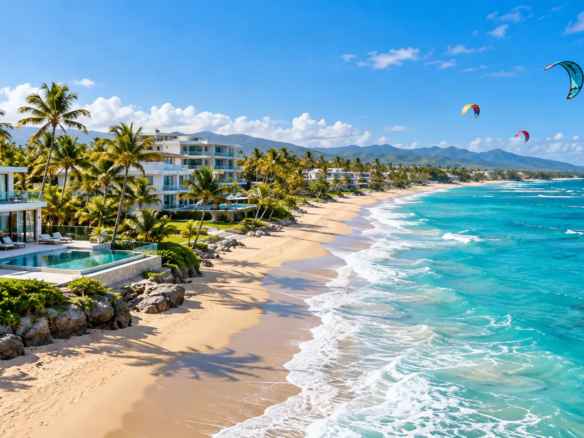
Certain towns have become magnets for Canadian retirees and investors because of direct flights, established expat communities, and English-friendly services. Sosua and Cabarete on the north coast draw buyers who want a laid-back beach lifestyle with lower entry prices. Punta Cana and Cap Cana attract buyers chasing resort amenities, golf courses, and stronger short-term rental demand from tourists.
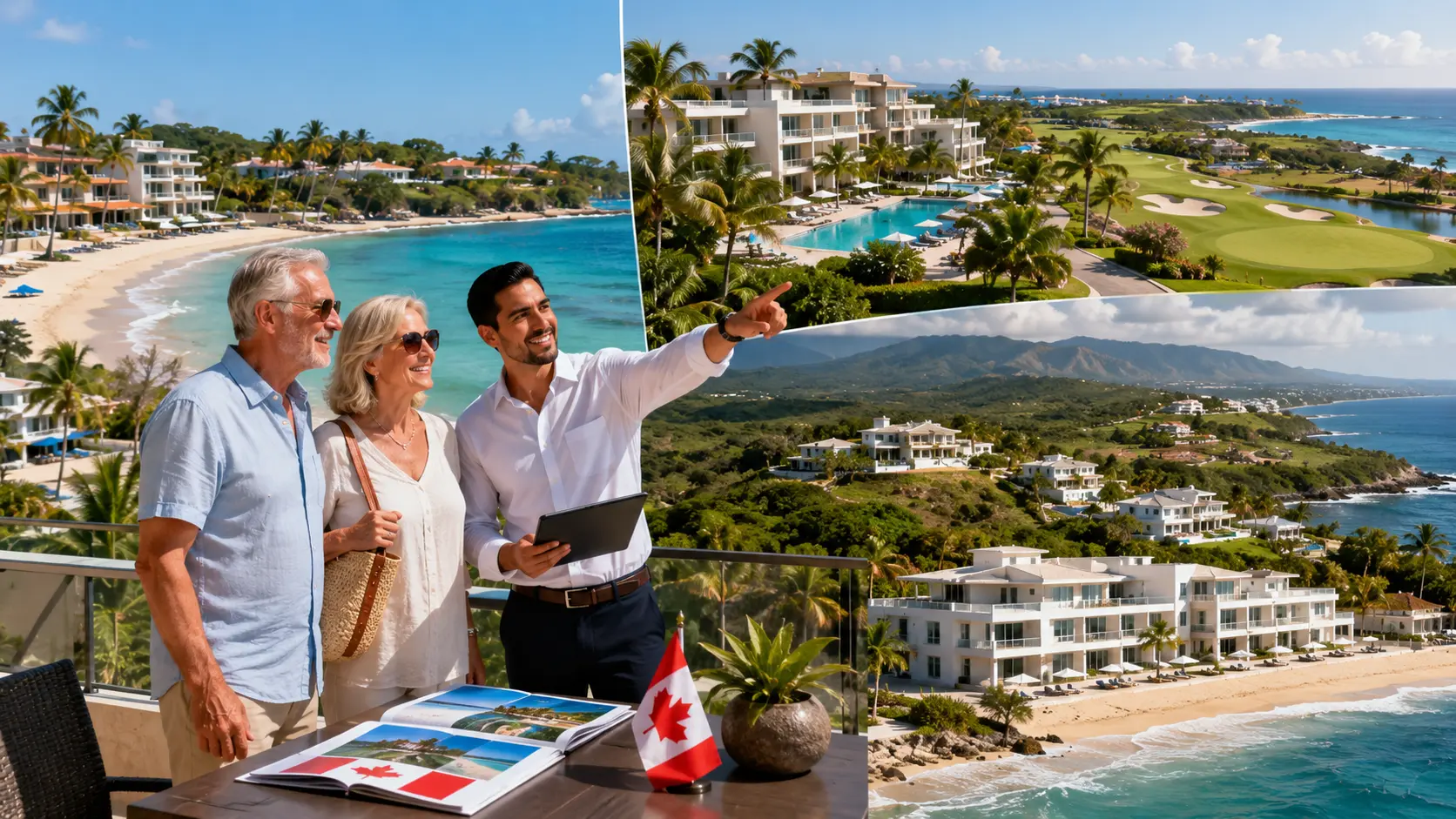
If you want a resort-style unit with built-in property management, the Xanadu Resort Residences is a strong option for buyers who want turnkey rental income near Punta Cana’s beaches. For buyers looking at the quieter hills above the coast, Choco Hills offers larger lots with mountain and ocean views at a lower price point than beachfront land. Buyers who want direct sand access often compare units at Sunset by the Sea, a beachfront development that regularly comes up in local Sosua real estate listings.
Working with trusted neighborhood brokers nearby matters more here than in most markets, since property records and permitting rules vary by municipality. A broker who knows the local land registry office personally can move your closing along much faster than a remote agent.
Costs and Taxes for Canadian Buyers
Closing costs in the Dominican Republic typically run between 3% and 4% of the purchase price, covering the transfer tax, notary fees, and legal fees. The transfer tax itself sits at 3% of the government assessed value, which is often lower than the actual sale price. Annual property tax, called IPI, applies only to properties assessed above roughly $175,000 USD, charged at 1% of the value above that threshold.
Rental income earned by Canadian owners is subject to Dominican income tax, though many owners structure ownership through a local corporation to reduce the rate. Canada and the Dominican Republic do not have a full double taxation treaty, so Canadian owners should report rental income to the CRA as well. A cross border accountant familiar with both systems can prevent costly mistakes at tax time.
Financing Options for Canadians Buy Property Deals
Local Dominican banks rarely lend to foreign buyers without residency, so most Canadians pay cash or arrange financing back home. Some developers offer direct payment plans, letting buyers pay 30% to 40% down and the balance over 12 to 36 months during construction. This developer financing option has become common for pre construction condos in Punta Cana and Cabarete.
Canadian buyers with strong home equity sometimes use a home equity line of credit (HELOC) from a Canadian bank to fund the purchase outright, avoiding Dominican lending entirely. This route often results in a lower interest rate and a faster closing timeline. Always compare the total cost of financing against a straight cash purchase before committing.
Comparing the Process to American Buyers
Canadian and American buyers face nearly identical rules under Dominican property law, since both are treated as foreign nationals with equal ownership rights. If you are researching the process from a Canadian angle, it also helps to review how the rules apply to other foreign buyers. Our detailed guide on Americans buying property in the Dominican Republic covers the same legal framework with side by side cost breakdowns that apply to Canadian buyers too.
FAQs
Do Canadians Need Residency to Buy Property in the Dominican Republic?
No, Canadians do not need residency or a visa to buy property. A valid passport and a local tax ID number are enough to complete the purchase and hold title.
Can Canadians Get a Mortgage in the Dominican Republic?
Yes, but options are limited since local banks rarely lend to non residents. Most Canadian buyers use cash, developer payment plans, or financing arranged through a Canadian bank instead.
Is It Safe for Canadians to Buy Beachfront Property Here?
Yes, as long as the title is verified through a licensed notary and an independent lawyer. Beachfront land within 60 meters of the high tide line does carry special maritime zone rules, so always confirm boundaries before signing.
How Long Does the Buying Process Take for Canadians?
Most straightforward purchases close within 30 to 60 days once financing and due diligence are complete. Pre construction purchases can take longer depending on the building timeline.
What Areas Offer the Best Rental Returns for Canadian Investors?
Punta Cana and Cabarete currently offer some of the strongest short term rental returns due to steady tourist demand. Sosua also performs well for buyers targeting long term expat renters rather than vacationers.
Do Canadian Buyers Pay Higher Fees Than Local Buyers?
No, closing costs and transfer taxes apply equally to Dominican citizens and foreign buyers. There is no nationality based fee surcharge under current law.
Can Canadians Buy Property Through a Corporation Instead of Personally?
Yes, many Canadian investors purchase through a local Dominican corporation for tax and liability reasons. This structure also simplifies passing the property to heirs later on.
Conclusion
Buying property as a foreigner rarely feels this straightforward, but the Dominican Republic keeps the process open, transparent, and free of citizenship restrictions. From beachfront condos in Punta Cana to hillside lots above Sosua, the range of options fits nearly every budget and lifestyle goal. Working with a broker who understands both the legal steps and the local neighborhoods saves time and avoids costly surprises. Anyone comparing markets for Canadians buy property goals will find the entry costs and ownership rights here hard to match elsewhere in the Caribbean.
Whether you want a rental income property, a retirement home, or raw land to build later, the fundamentals stay the same across every town on this coast. Get your title search done properly, budget for the full 3% to 4% in closing costs, and choose a location that matches how you actually plan to use the property. A local team that already knows the registry offices and municipal permitting rules will move your purchase along faster than trying to manage it remotely. Start your search with Canadians Buy Property listings curated specifically for buyers making this move from Canada.