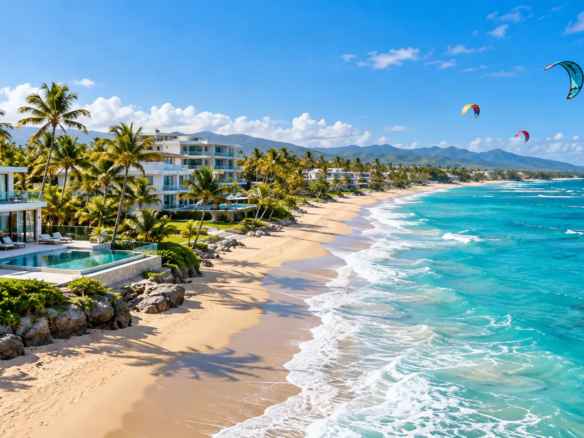
by
by 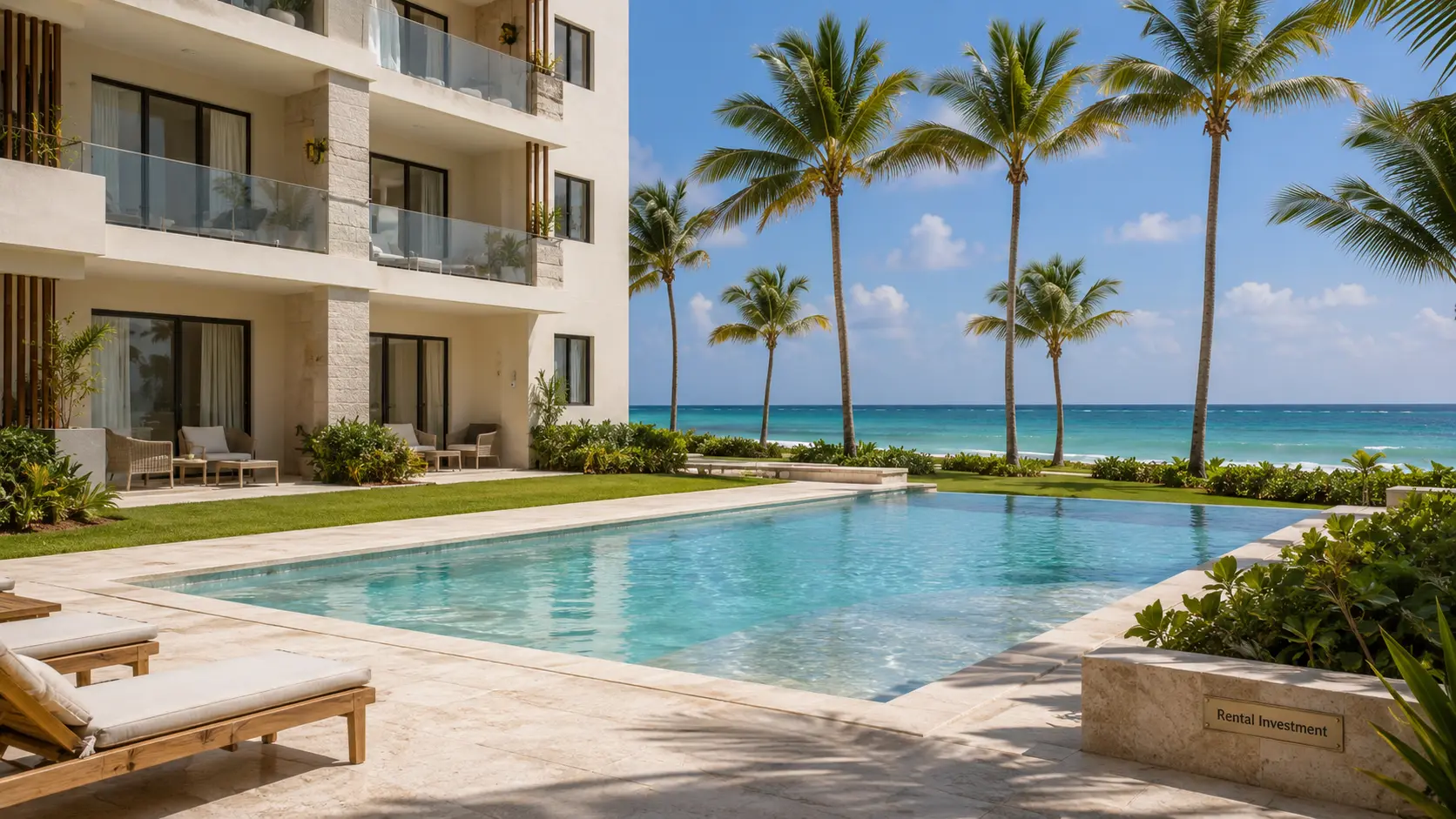
The best rental property investments in the Dominican Republic are beachfront condos in Punta Cana, Sosua, and Las Terrenas, where short-term rental demand and tourism growth push annual returns between 6% and 12%. Buyers who want steady cash flow look at pre-construction condos near the beach, while those who want long-term stability pick gated communities in Cabarete or Cap Cana. This country pulled in over 11 million tourists last year, and that traffic keeps vacation rentals full most months. Matching the property type to the buyer profile you’re targeting matters more than the listing photos, whether that buyer is a retiree, a digital nomad, or a family on a two-week beach trip.
Prices vary a lot depending on the town, the distance to sand, and whether the building has rental management built in. A studio in Sosua might run you $85,000, while a beachfront villa in Cap Cana can top $600,000. Foreign buyers face no restrictions on ownership here, which is a big reason North American and European investors keep coming back. If you’re weighing your options against other Caribbean markets, the lower entry price and higher yield in this country usually tip the scale.
Price and ROI Comparison by Location
| Location | Property Type | Avg. Price Range | Est. Annual Rental ROI |
| Punta Cana / Bavaro | Beachfront condo | $150,000 – $400,000 | 7% – 10% |
| Cap Cana | Luxury villa | $450,000 – $1.2M | 6% – 9% |
| Sosua | Studio/1-bed condo | $80,000 – $180,000 | 8% – 12% |
| Cabarete | Townhouse | $120,000 – $250,000 | 7% – 9% |
| Las Terrenas | Beach cottage | $140,000 – $300,000 | 7% – 11% |
| Puerto Plata | Condo | $70,000 – $150,000 | 6% – 8% |
These numbers shift with occupancy rates, management fees, and season. Talk to a licensed broker before you lock in numbers for your own deal.
Why Punta Cana and Bavaro Lead in Rental Demand
Punta Cana pulls the highest tourist volume in the country, and that means condos here rarely sit empty. The airport (PUJ) sits close to most resort zones, so guests land and reach their rental in under 30 minutes. Bavaro beach draws the family crowd, while Cap Cana attracts higher-end travelers who pay premium nightly rates.
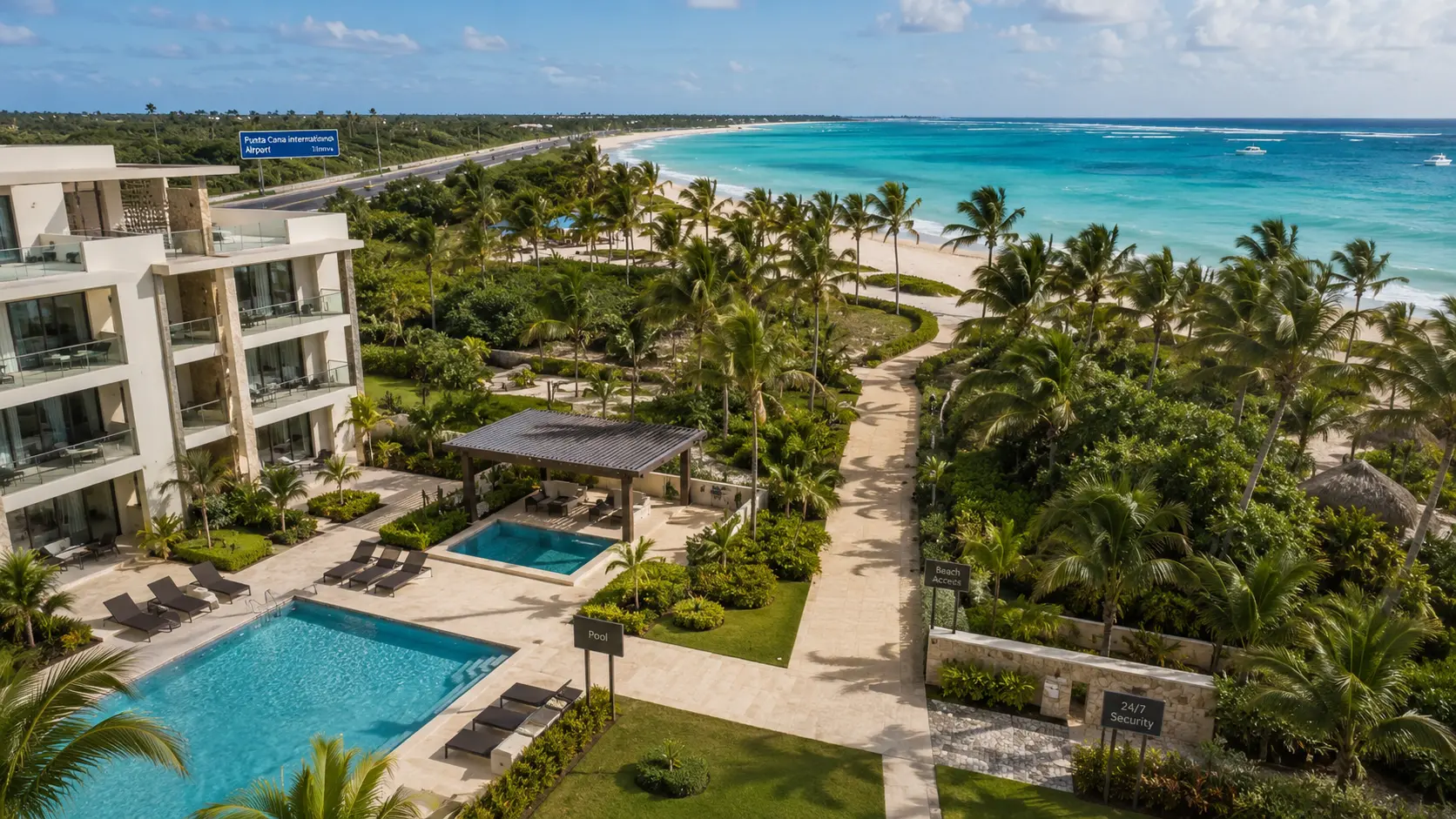
Buyers who want beachfront condos with strong rental income should focus on buildings with on-site management and a track record of Airbnb bookings. A unit inside a resort complex with pools, a gym, and 24-hour security rents faster than a standalone house. If you’re browsing options in this zone, our oceanfront listings page shows current inventory with photos and pricing.
What Makes a Punta Cana Condo Rent-Ready
- Walking distance to the beach, ideally under 5 minutes
- On-site or nearby property management company
- Furnished and turnkey, so guests can move in same day
- Access to a pool, restaurant, or beach club on the property
Sosua and Cabarete: Best Areas to Buy Rental Property at Lower Entry Cost
Sosua and Cabarete sit on the north coast and pull a different crowd than Punta Cana. Surfers, kitesurfers, and expats looking for a slower pace fill these towns, and rental prices stay lower than the east coast. This makes Sosua one of the best areas to buy rental property in the Dominican Republic if your budget is under $150,000.
Buyers with a larger budget who prefer villas over entry-level condos can also compare a villa community in El Choco, Sosúa, particularly when evaluating residential properties that could suit longer stays or a different tenant profile.
Cabarete is known worldwide for wind and kite sports, so short-term rentals near Playa Encuentro or Kite Beach book out fast during peak wind season (June through August). Long-term rentals here also do well since many expats settle in for months at a time. A local Sosua real estate listings page can help you compare unit sizes and pricing before you commit.
Pros and Cons of North Coast Rentals
Pros:
- Lower purchase price per square meter
- Growing expat and digital nomad rental base
- Less competition from big resort chains
Cons:
- Fewer direct international flights compared to Punta Cana
- Seasonal dips outside of peak wind and tourist months
Investors who prefer a gated villa setting can also evaluate a pre-construction villa community in Cabarete and compare its purchase cost, expected rental strategy, and ongoing property expenses with the condo and townhouse options available elsewhere on the North Coast.
Las Terrenas: The Rising Vacation Rental Market
Las Terrenas sits on the Samana peninsula and has grown fast over the past five years. French and Italian expats built much of the early infrastructure, and that gives the town a European feel with cafes, boutique hotels, and small beach restaurants. The Las Terrenas vacation rental market now competes directly with Punta Cana for boutique property buyers who want something smaller and less commercial.
Whale-watching season (January to March) brings a strong tourism spike here, and rental rates jump during those months. Buyers who want a property that feels more like a local town than a resort strip often pick this area first. This is one of the smartest rental property investments in the Dominican Republic for buyers who want growth potential without east coast prices.
Investors researching larger developments in this market can also review the Blu Terrenas development in El Portillo, which includes apartments, townhouses, and villas across a project positioned along the first and second lines of the beach.
Cap Cana and Puerto Plata: Two Different Investment Strategies
Cap Cana targets the luxury end of the market. Gated communities, a marina, golf courses, and private beach clubs push prices higher, but nightly rental rates for Cap Cana luxury rental properties can hit $400 to $800 in peak season. This works best for investors with a larger budget who want fewer, higher-value bookings instead of high-volume short stays.
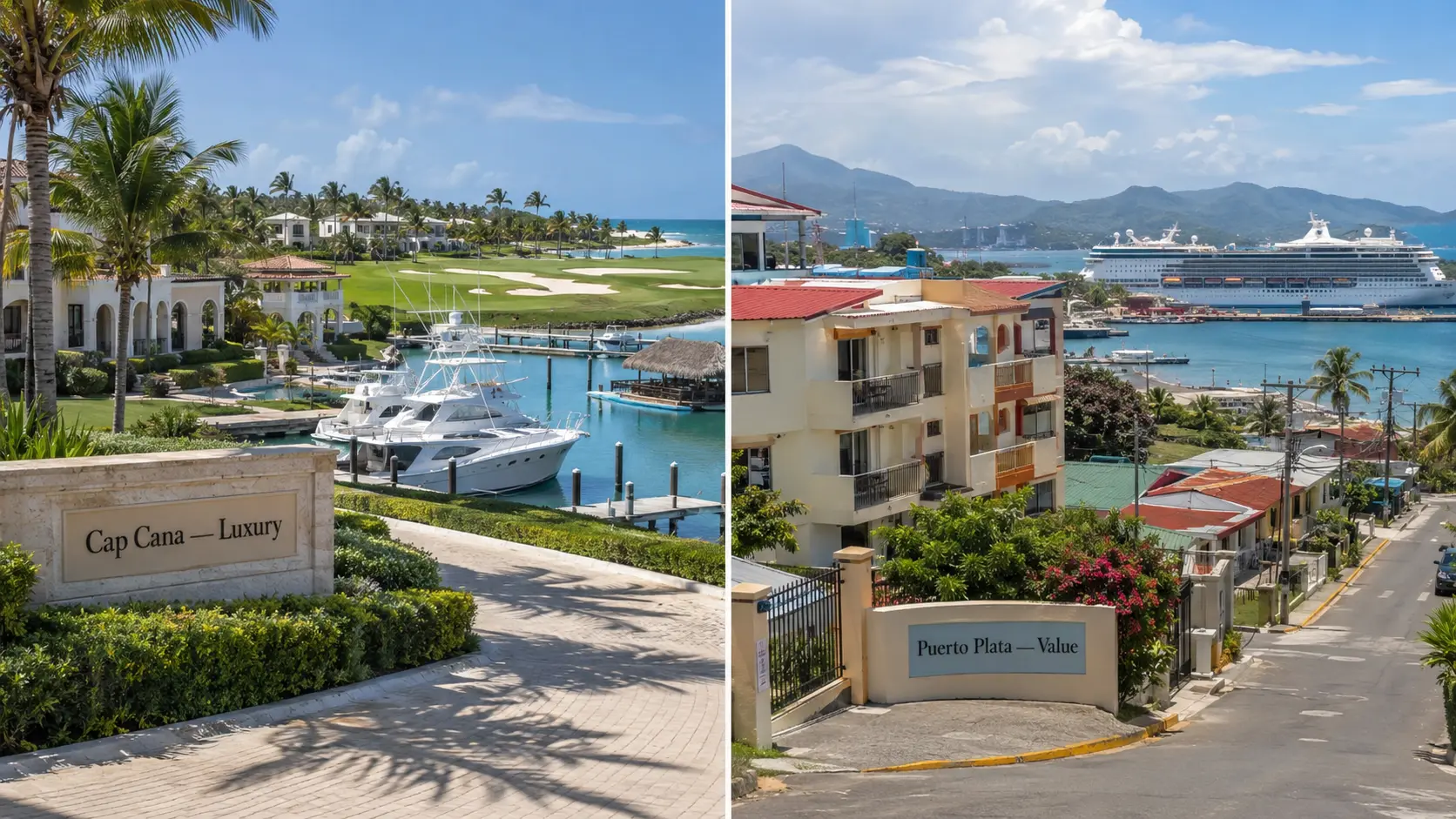
Puerto Plata sits on the opposite end. Prices run lower, and the rental crowd leans toward budget travelers and cruise ship passengers who dock nearby. It’s a solid entry point if you’re new to Dominican Republic real estate investment and want to start small before scaling up to a second property in Sosua or Punta Cana. You can browse full regional inventory on our Dominican Republic properties page.
Buyers who want to compare a resort-style option within the same broader market can also review Xanadu condos in Playa Dorada, where the development combines apartment-style ownership with pools, concierge services, beach access, and other resort amenities.
What Rental Income Means for Your Monthly Budget
Rental income only tells half the story. Your actual return depends on what it costs to live near your property, manage repairs, and pay local utilities and staff. Before you buy, it’s worth reading our breakdown of the cost of living in the Dominican Republic for Americans, so you know what to budget for beyond the purchase price.
Owners who split time between the US and their rental property need to plan for two sets of living costs. Factoring this in upfront keeps your projected ROI realistic instead of inflated.
Working With a Trusted Local Broker
Buying rental property in a foreign country carries risk if you skip proper title checks. A trusted neighborhood broker nearby who knows the local land registry (Titulo de Propiedad) can confirm the seller actually owns the property free and clear. Ask for a lawyer independent from the seller’s side, and always run a title search through Jurisdiccion Inmobiliaria before wiring any deposit.
Property taxes here (IPI) apply only above a set threshold, and rental income tax rules differ for residents versus non-residents. A good broker walks you through these numbers before you sign anything, not after. Our team specializes in guiding buyers through Rental Property Investments in the Dominican Republic, from title search to closing day.
FAQs
Is it safe to buy rental property in the Dominican Republic as a foreigner?
Yes. Foreigners have the same property rights as Dominican citizens, and there’s no restriction on foreign ownership. You still need a lawyer to confirm the clean title before closing.
What is the average rental yield in the Dominican Republic?
Average rental yield runs between 6% and 12% a year, depending on location and property type. Beachfront condos in tourist-heavy zones like Punta Cana and Sosua tend to sit at the higher end.
Do I need a property management company for a vacation rental?
Not required, but strongly recommended if you don’t live in the country full-time. A management company handles guest check-ins, cleaning, and maintenance so your unit stays booked without your daily involvement.
How much does a beachfront condo cost in Punta Cana?
Beachfront condos in Punta Cana typically range from $150,000 to $400,000, depending on size, floor, and building amenities. Units closer to the sand with resort-style pools sit at the top of that range.
Is Sosua or Punta Cana better for rental investment?
It depends on your budget. Sosua offers lower entry prices and steady expat rental demand, while Punta Cana offers higher tourist volume and stronger short-term rental income.
What taxes apply to rental income in the Dominican Republic?
Non-resident owners pay a flat rate on net rental income, while property tax (IPI) applies only above a set property value threshold. A local accountant can confirm exact rates based on your ownership structure.
Can I get financing as a foreign buyer?
Yes, some local banks offer mortgages to foreign buyers, though terms and down payment requirements are stricter than for residents. Many investors choose cash purchases or developer payment plans instead, especially for pre-construction units.
Conclusion
Picking the right town matters more than picking the right building. Punta Cana and Cap Cana suit buyers chasing high-volume tourist traffic and premium nightly rates, while Sosua, Cabarete, and Puerto Plata suit buyers who want lower entry costs and steady long-term demand. Las Terrenas sits in between, offering a boutique market that’s still growing without the price tag of the east coast. Whatever budget you start with, matching the property to its local rental crowd is what actually drives returns.
Work with a trusted local real estate broker in the Dominican Republic who knows the neighborhoods, not just the listings. Confirm title, check the building’s rental history, and run real numbers before you commit any deposit. Skip the buyers who rush a purchase based on a beach photo alone, and do your homework first. Start with a clear budget, pick a coast that fits your travel style, and let a local team walk you through the paperwork step by step.