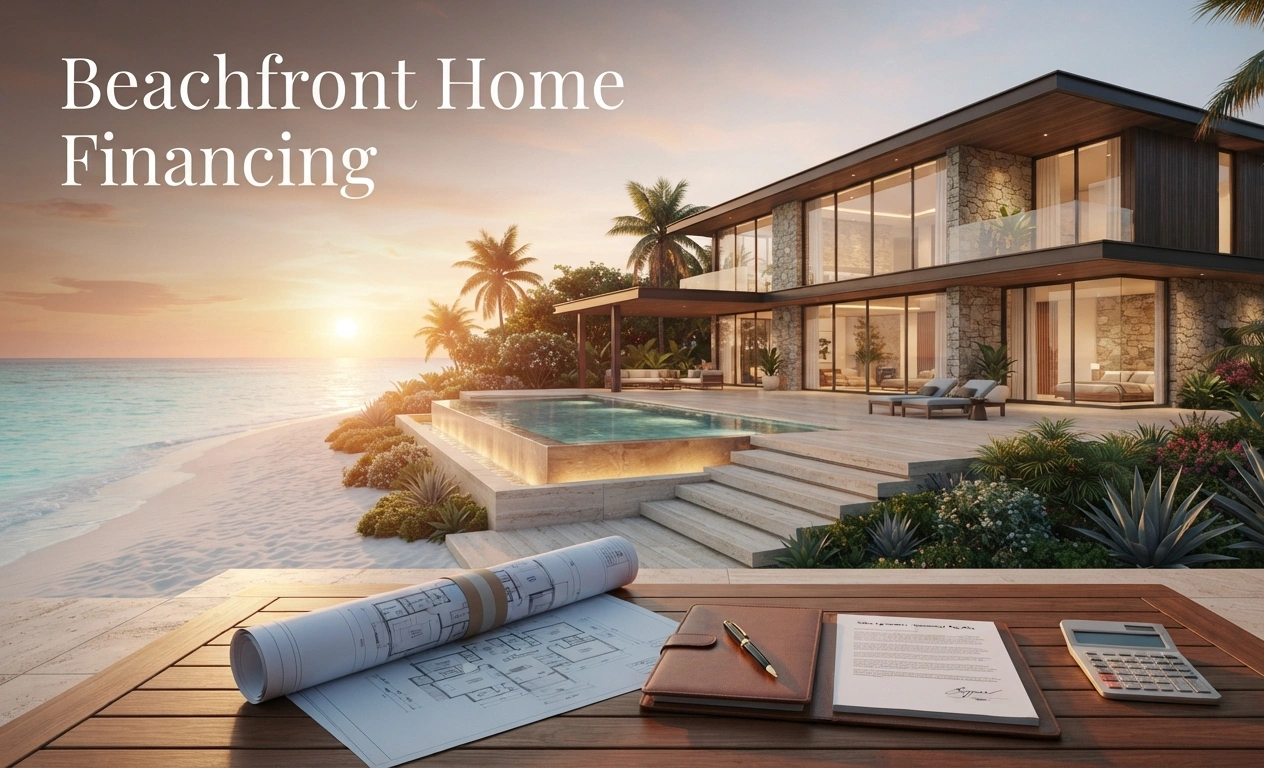
You can finance luxury beachfront homes for sale Dominican Republic through developer payment plans, local bank mortgages, U.S. cross-border loans, or a straight cash purchase handled by a local attorney. Most buyers combine a 30% to 50% down payment with a short developer plan, then refinance later if they want. Financing rules here differ from the U.S. or Canada, so a licensed local broker makes the process much smoother. This guide breaks down each option so you can pick what fits your budget.
Buyers researching dominican republic luxury real estate often assume the process mirrors what they know back home. It doesn’t. Local banks use different credit checks, interest rates run a bit higher, and developers frequently offer better terms than banks do. Once you see how these four paths work, buying a beachfront villa feels a lot less overwhelming.
Quick Price & Financing
Here’s how prices and typical terms shift by region:
| Location | Avg. Price Range (USD) | Typical Down Payment | Common Financing Type |
| Punta Cana | $450,000 – $2.5M | 30% | Developer plan |
| Sosua | $300,000 – $1.2M | 35% | Developer plan or bank loan |
| Cabarete | $350,000 – $1.5M | 30% | Developer plan |
| Las Terrenas | $500,000 – $3M | 40% | Cash or private lender |
| Cap Cana | $800,000 – $5M+ | 50% | Cash or bank loan |
Why Beachfront Homes for Sale in Punta Cana Dominican Republic Cost More to Finance
Beachfront lots carry extra risk for lenders. That risk shows up in a few ways:
- Erosion and storm exposure push interest rates up by 1% to 2% compared to inland homes
- Coastal land is limited, so banks treat it as harder to resell if a loan defaults
- Down payment requirements often jump to 40% or higher on oceanfront lots
- Insurance costs get factored into loan approval, which can slow things down
Demand from U.S. and Canadian buyers keeps Punta Cana prices firm year-round, so sellers rarely budge on financing terms. Plan your down payment early if this is your target area.
Developer Payment Plans: The Most Common Financing Route
New construction projects almost always offer in-house payment plans. This route skips bank credit checks entirely, which is why so many foreign buyers choose it.
A typical plan breaks down like this:
- 10% reservation deposit to lock the unit
- 20% to 30% paid during construction, usually split into quarterly installments
- Remaining balance due at closing, or financed over 2 to 5 years at 8% to 10% interest
Developers tend to be more flexible with payment history than banks. That makes this a solid fit if you have strong cash flow but no local credit record yet.
Local Bank Mortgages for Dominican Republic Luxury Villas for Sale
Banks like Banreservas, Popular, and Scotiabank do lend to foreigners, but expect a longer process. You’ll need:
- Two years of tax returns and bank statements
- A credit reference letter from your home bank
- Proof of steady income, usually verified through payroll or business records
Local mortgages generally cover 60% to 70% of a property’s value for foreigners, with rates between 9% and 12% over 10 to 20 years. Banks prefer lending on Dominican Republic luxury villas for sale that are already built and titled rather than pre-construction units, and appraisals can take three to six weeks, so build that into your timeline.
Cross-Border and U.S.-Based Lending Options
Some U.S. lenders now offer loans secured against your existing stateside assets instead of the Dominican property itself, similar to a home equity product. Buyers like this option because it:
- Skips local bank paperwork and appraisal delays
- Often comes with lower rates, between 7% and 9%
- Requires a U.S. credit score above 700 and clear proof of income
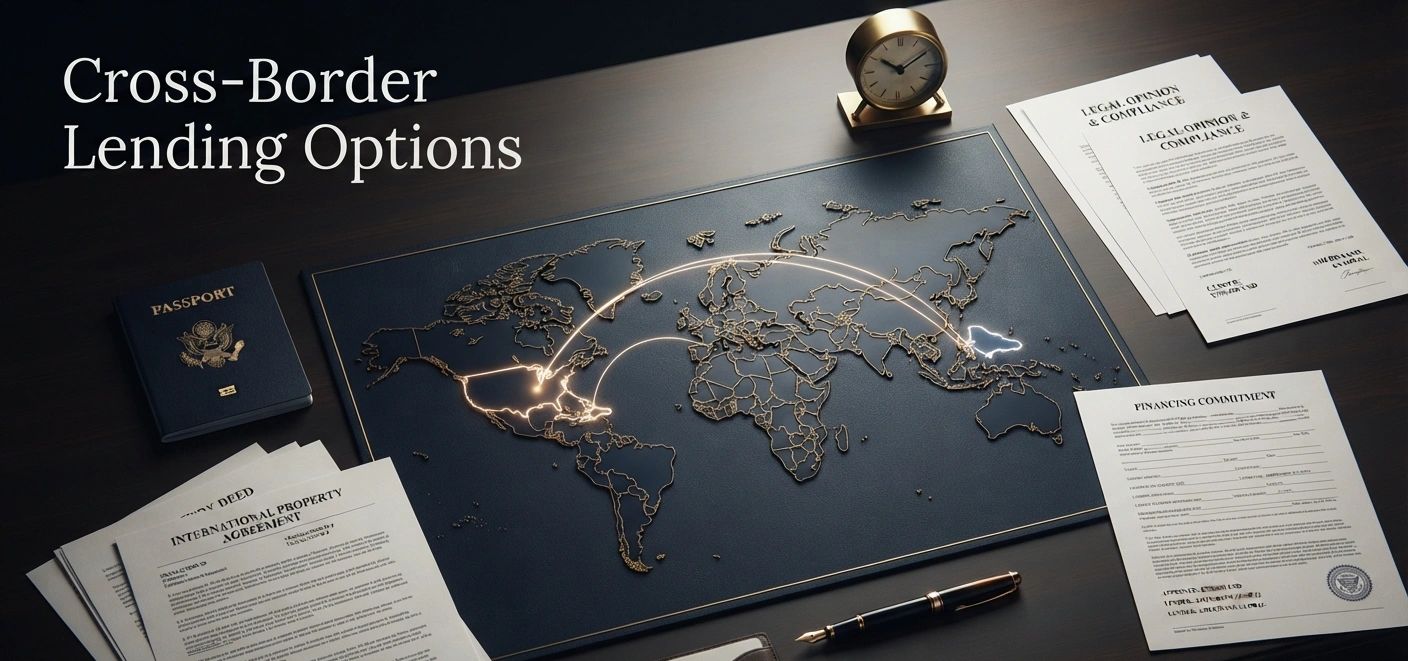
This path works best for buyers who already own property or have strong equity back home.
Cash Purchases Still Dominate Sosua Dominican Republic Homes for Sale Beachfront Deals
Cash remains the go-to option in smaller coastal towns. Sellers of Sosua Dominican Republic homes for sale beachfront properties tend to favor cash offers for a few reasons:
- Deals close in 30 to 45 days instead of 60 to 90
- There’s no risk of financing falling through mid-contract
- Buyers usually get stronger leverage to negotiate price
If cash is an option for you, it’s often the fastest way to close and the easiest way to negotiate.
Legal Steps That Affect Your Financing Timeline
Financing and legal work move together here, so skipping one step slows down the other. Before you sign anything:
- Hire an independent real estate attorney, not one picked by the seller
- Confirm the property has a clean Certificate of Title (Certificado de Título)
- Open a local bank account before applying for any mortgage
- Set aside 3% to 4% of the purchase price for closing costs and transfer tax
Check our full breakdown of the Dominican Republic real estate market for a deeper look at legal requirements by region.
Choosing the Right Financing Path for Luxury Beachfront Homes for Sale Dominican Republic
Your best option comes down to three questions:
- How fast do you need to close?
- How much cash do you have upfront?
- Is the property new construction or resale?
Buyers who want speed and simplicity usually lean toward developer plans. Buyers focused on lower long-term rates often prefer U.S. cross-border loans instead. If you’re still weighing regions, our guide on how to choose premium villas for sale in Dominican Republic breaks down the tradeoffs between Punta Cana, Sosua, and Las Terrenas.
FAQs
Can foreigners get a mortgage for luxury beachfront homes for sale Dominican Republic?
Yes, local banks lend to foreigners regularly. You’ll need proof of income, two years of financial history, and a down payment of 30% to 40%.
Is it better to pay cash or finance a beachfront villa?
It depends on your goals. Cash gets you a faster close and better negotiating power, while financing frees up capital for other investments.
Do developers in Punta Cana offer 0% interest payment plans?
Some do, but usually only during pre-construction before building starts. Once construction begins, most plans shift to 6% to 10% interest on the remaining balance.
How long does bank financing take to close in the Dominican Republic?
It typically takes 60 to 90 days from application to closing. Appraisal time, title checks, and credit verification all add to that timeline.
What credit score do I need for U.S. cross-border financing on Dominican property?
Most lenders want a score above 700. Lower scores can sometimes still qualify, though usually at a higher rate.
Conclusion
Financing luxury beachfront homes for sale Dominican Republic really comes down to matching the right lender to your situation. Developer plans suit buyers who want speed and simplicity, while bank mortgages and cross-border loans work better for buyers who’d rather preserve cash and spread payments out. Whichever route you pick, line up your attorney and financing before you fall in love with a specific property.
The Dominican coast keeps pulling in buyers because prices still sit well below comparable markets in Florida or other Caribbean islands. Punta Cana, Sosua, and Las Terrenas each carry their own price points and financing norms, so match your budget to the right town first. Reach out to our team at Your DR Broker for a free consultation on financing options for your target property. The right guidance now can save you months of delay later.