by
by 
Foreigners can safely buy villa Dominican Republic property by using a licensed real estate attorney, verifying the title through the Title Registry Office, and closing through a regulated escrow account. This process protects buyers from fraud and confirms the seller truly owns the land. The Dominican Republic allows 100% foreign ownership, so you get the same property rights as a local citizen. Thousands of Canadians, Americans, and Europeans complete safe purchases here every year.
The key to a smooth deal is working with people who know the local market and the legal system. A good broker checks zoning rules, unpaid taxes, and construction permits before you sign anything. Buyers who skip this step often face costly surprises after closing. This guide breaks down the exact steps, costs, and red flags you need to know.
Villa Price Comparison by Region
| Region | Average Villa Price (USD) | Typical Lot Size | Best For |
| Punta Cana | $450,000 – $1.2M | 600–1,200 m² | Rental income, beach access |
| Puerto Plata | $280,000 – $700,000 | 500–1,000 m² | North coast, quieter living |
| Cap Cana | $800,000 – $3M+ | 1,000–2,500 m² | Luxury, gated golf communities |
| Las Terrenas | $350,000 – $900,000 | 400–900 m² | Expat community, walkable town |
| Casa de Campo | $1M – $5M+ | 1,500–4,000 m² | High-end resort lifestyle |
Prices shift with location, ocean view, and lot size, so always confirm current numbers with a licensed DR broker before you make an offer.
Legal Steps to Buy a Villa in the Dominican Republic
Foreign buyers follow almost the same legal path as Dominican citizens when they buy a villa in the Dominican Republic. There is no residency requirement and no extra tax burden for non-citizens. The whole process usually takes 30 to 60 days from offer to closing.
Here is the standard order of steps:
- Sign a Promise of Sale (Contrato de Promesa de Venta) with a deposit, usually 10%
- Hire an independent attorney to run a title search at the Title Registry Office
- Confirm the property has no liens, debts, or boundary disputes
- Transfer funds through an escrow account, not directly to the seller
- Pay the 3% transfer tax and register the new title in your name
Never send money before your attorney confirms the title is clean. This single check stops most fraud cases before they start.
Why Foreigners Buy Luxury Villa in Dominican Republic Markets
Buyers pick this country for the mix of low cost, warm weather, and strong rental demand. Airbnb occupancy in tourist zones like Punta Cana and Cap Cana often stays above 65% year-round. That income potential is a major draw for people who want a second home that pays for itself.
Other reasons include:
- No capital gains tax on primary residences after certain conditions are met
- Direct flights from major U.S., Canadian, and European cities
- A growing expat network in areas like Sosúa, Las Terrenas, and Cabarete
- Lower construction and staffing costs compared to Florida or the Caribbean islands
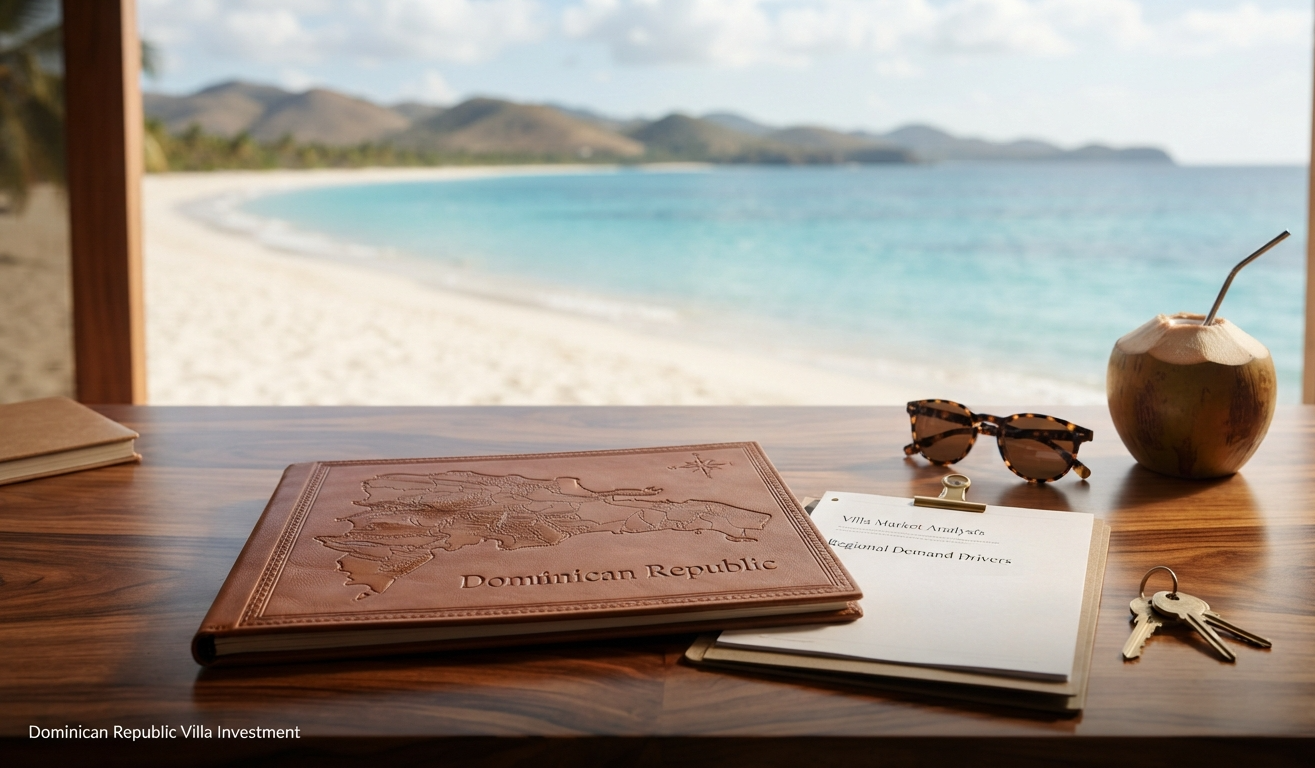
Many buyers start their search in Puerto Plata, where prices remain lower than the eastern coast while beach access stays strong.
Financing Options When You Buy Villa Dominican Republic
Most foreigners pay cash because local bank financing is limited and comes with higher interest rates than in the U.S. or Canada. Some developers offer in-house payment plans, especially for pre-construction villas. These plans usually require 30% to 50% down with the balance paid over 12 to 36 months.
A few local and international banks do lend to non-residents, but expect:
- Interest rates between 8% and 12%
- Loan terms of 10 to 15 years
- A down payment of at least 30% to 40%
- Proof of income and a clean credit history from your home country
Cash buyers often negotiate better prices since sellers avoid financing delays and bank appraisal issues.
Common Mistakes Foreign Buyers Make
Skipping due diligence is the biggest mistake people make when purchasing a villa in the Dominican Republic. Some buyers trust a seller’s word instead of checking public records. Others pay a deposit before an attorney reviews the contract.
Watch out for these red flags:
- A seller who pressures you to skip the title search
- Properties priced far below market value with no clear reason
- Land with unclear boundaries or no registered survey
- Sellers who ask for payment outside of escrow
Working with a firm that understands how to choose premium villas for sale in Dominican Republic markets can help you spot these issues early.
Taxes and Ongoing Costs After Purchase
Owning a villa here comes with predictable, manageable costs. The annual property tax (IPI) is 1% of the property value above roughly $150,000 USD, adjusted yearly. Homeowners association fees in gated communities typically run $100 to $500 per month depending on amenities.
Budget for these recurring costs:
- Property tax (IPI): 1% annually on value above the exempt threshold
- HOA or maintenance fees: varies by community
- Property insurance: 0.3% to 0.5% of property value per year
- Utilities and staff: pool, garden, and security if applicable
These costs are lower than those in most U.S. states, which is one reason this market continues to attract buyers seeking a long-term property investment.
FAQs
Can foreigners buy a villa in the Dominican Republic without residency?
Yes, foreigners can own property here with full legal rights and no residency requirement. You only need a valid passport and a local attorney to complete the purchase.
Is it safe to buy villa Dominican Republic property as a non-citizen?
Yes, it is safe when you use escrow, an independent attorney, and a verified title search. Most problems happen when buyers skip these protections to save time.
How much does it cost to buy luxury villa in Dominican Republic communities?
Luxury villas in gated communities like Cap Cana or Casa de Campo start around $800,000 and can exceed $3 million. Price depends on lot size, ocean view, and finish quality.
Do I need a lawyer when purchasing a villa in the Dominican Republic?
Yes, a lawyer is essential for checking the title, drafting contracts, and registering the deed. Never rely only on the seller’s or developer’s legal team.
What taxes will I pay after buying a villa here?
You pay a one-time 3% transfer tax at closing and an annual 1% property tax above the exempt value. There is no extra tax simply for being a foreign owner.
Conclusion
Buying property here does not have to feel risky if you follow the right process. Working with a licensed attorney, using escrow, and checking every title record are the three habits that protect your money. Foreigners who buy villa Dominican Republic property this way rarely run into legal trouble. The market rewards buyers who move carefully and verify every document before they sign.
Start by comparing regions, setting a realistic budget, and connecting with a local team who knows the paperwork inside and out. Learn more about the full buying process and current listings on yourdrbroker.com before you commit to any deal. A little patience during due diligence saves years of headaches later. With the right team, owning a beach villa here can be one of the simplest big purchases you ever make.