by
by 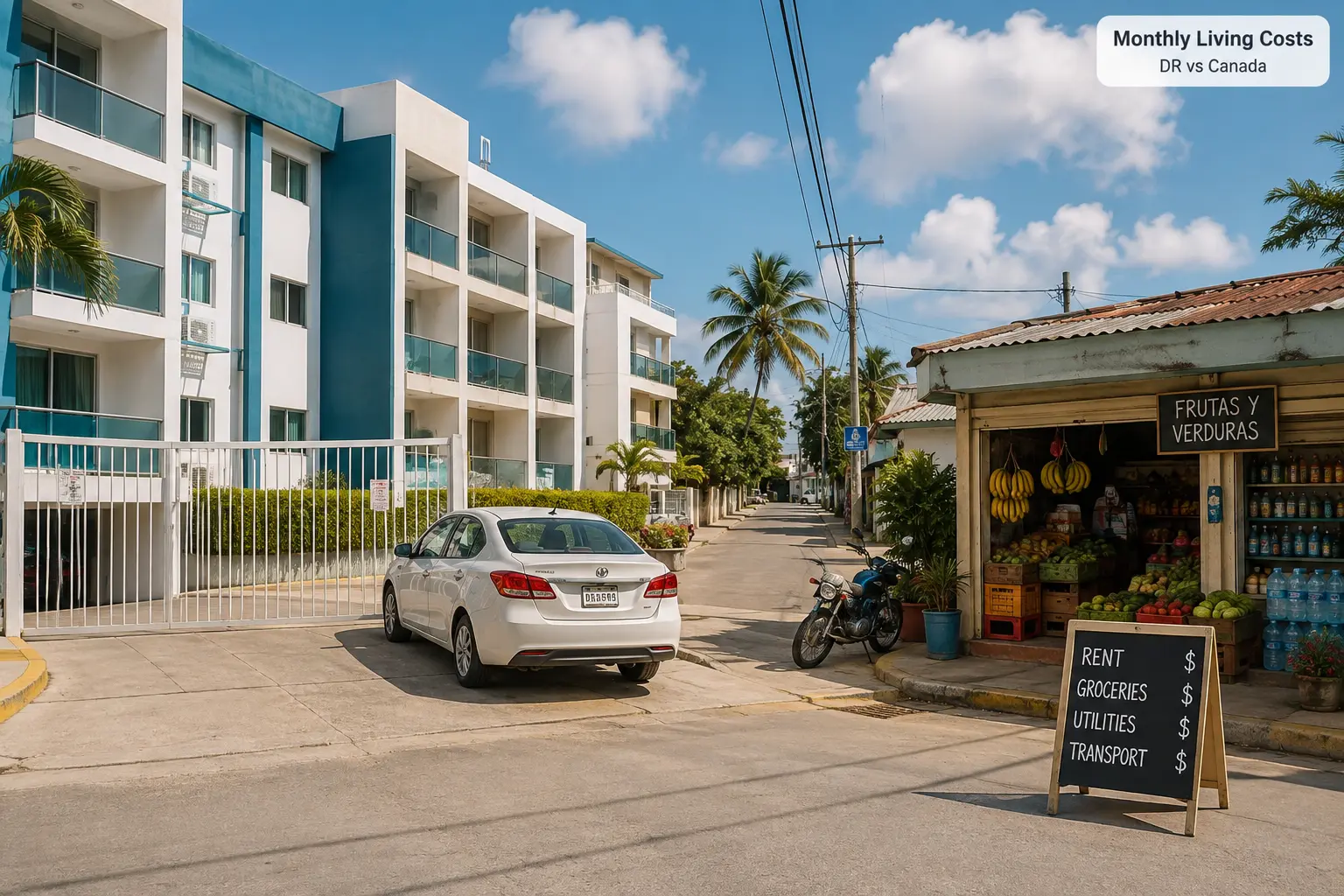
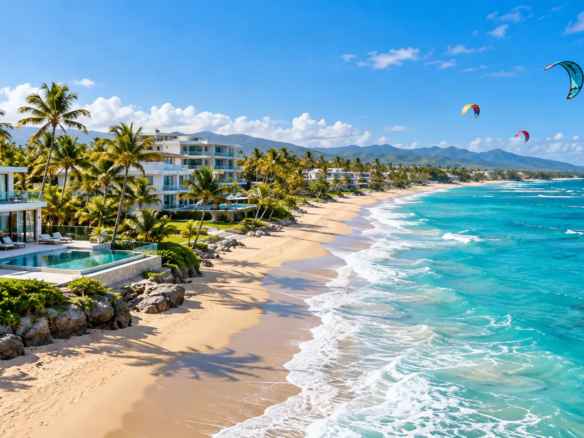
For many Canadians, living in the Dominican Republic can cost much less than living in Canada, especially for rent, restaurants, and several everyday services. The Cost of Living in the Dominican Republic for Canadians depends most on location, housing type, air conditioning use, imported food, transport, and private health coverage. Numbeo reports rent prices in the Dominican Republic at about 53 percent below Canada and restaurant prices at about 40 percent below Canada. Canadians looking at the North Coast can compare Puerto Plata with beach communities such as Sosúa, Cabarete, Encuentro, and Perla Marina.
A realistic budget should use local prices instead of one national average. Livingcost’s June 2026 comparison estimates average monthly living costs at about US$901 for one person in the Dominican Republic versus US$2,005 in Canada, while city level data is more useful for personal planning. Puerto Plata shows lower reported living costs than Santo Domingo, while tourist oriented beach areas can carry higher rents and imported food costs. The table below gives practical reference points for a Dominican Republic monthly budget.
| Expense | Current Reference | Main Cost Driver |
| One person, country average | About US$901 monthly | City and lifestyle |
| Couple budget example | RD$81,695 including rent | Rent and entertainment |
| Puerto Plata one bedroom rent | RD$17,500 to RD$25,000 | Location |
| Cabarete one bedroom rent | About US$450 to US$800 | Beach proximity |
| Sosúa small apartment rent | About US$400 to US$700 | Area and furnishing |
| Groceries for one person | About US$150 to US$350 | Local versus imported food |
| Private health insurance | About US$50 to US$150 per person | Coverage |
| Efficient condo electricity | About US$50 to US$200 | Air conditioning use |
Cost of Living in the Dominican Republic for Canadians in 2026
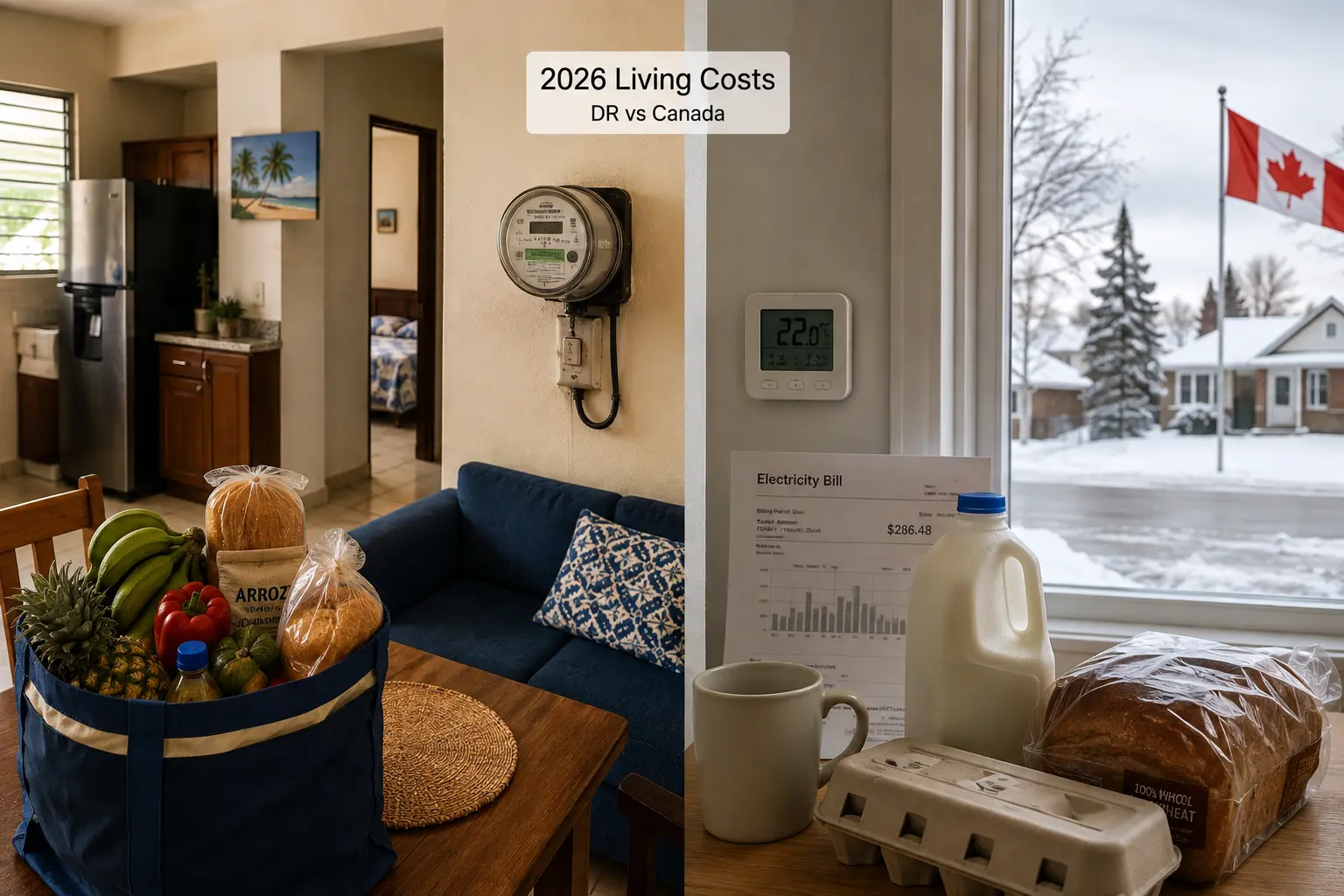
The Dominican Republic cost of living 2026 picture is attractive mainly because housing and many services remain cheaper than in Canada. Current comparisons show a large gap in rent and restaurant pricing, but the final monthly total still depends on the exact town and lifestyle.
Dominican Republic Rent Prices on the North Coast
Dominican Republic rent prices vary by town, distance from the beach, security, furniture, and building quality. Current local guides place one bedroom rents around US$450 to US$800 in Cabarete and US$400 to US$700 for a small apartment in Sosúa, while Puerto Plata averages can be lower depending on the area.
For North Coast planning, the Cost of Living in the Dominican Republic for Canadians is driven first by where and how you live. Use this Cabarete and Sosúa cost and lifestyle comparison before choosing an area.
The best value is not always the lowest rent. Transport, utilities, walkability, security, beach access, and daily convenience also affect the monthly total.
Cost of Living in Sosúa and Cabarete
The cost of living in Sosúa can work well for Canadians who want beach access with several residential choices. Current rental references place small apartments around US$400 to US$700 per month and two bedroom homes around US$800 to US$1,800.
Canadians who are considering ownership instead of renting can also compare a popular pre-construction option in Sosua, where villa-style homes provide a different housing choice from the smaller apartments typically used in monthly cost comparisons.
The cost of living in Cabarete can be higher close to the beach and town centre. Current local guidance places one bedroom apartments around US$450 to US$800, with larger modern condos and villas around US$900 to US$2,000.
For a wider property view, see these Dominican Republic homes and local areas.
Grocery and Dining Costs in the Dominican Republic
Dominican Republic grocery costs are usually lower when you buy local produce and Dominican staples. A North Coast budget can vary greatly depending on how often you buy imported Canadian, American, or European products.
A simple food plan can include:
- Local groceries: Buy Dominican products and seasonal produce for most meals.
- Imported items: Set a separate budget for Canadian or international brands.
- Eating out: Mix local comedores with mid range restaurants.
- Delivery: Add delivery charges if you regularly order meals.
- Beach restaurants: Expect higher prices in busy tourist areas.
- Alcohol: Imported wine and spirits can raise monthly spending.
Shopping at local supermarkets, produce stands, and neighborhood stores can help control food costs. Imported products usually cost more because of transportation and import expenses.
Utilities, Internet, and Air Conditioning
Dominican Republic utility costs can vary sharply because electricity use plays a major role in the monthly bill. A smaller condo with efficient appliances may use much less power than a large villa with several air conditioners and a pool.
This difference is worth considering with larger coastal villas such as this oceanfront property, where buyers should include air conditioning, private pool care, landscaping, and other home operating expenses in their monthly budget.
Electricity costs are especially important for Canadians who are used to keeping indoor temperatures consistently cool. Running air conditioning throughout the day can increase monthly expenses considerably.
Before renting or buying, ask for recent electricity bills from the exact property instead of relying only on a general average.
Other regular household costs may include:
- High speed internet
- Mobile phone service
- Backup power systems
- Water delivery
- Cleaning services
- Pool maintenance
- Condo or community fees
Properties with solar panels, efficient air conditioners, ceiling fans, or good natural airflow may help reduce electricity use.
Healthcare Costs in the Dominican Republic for Expats
Healthcare costs in the Dominican Republic for expats should be planned separately from housing and food. Private insurance pricing varies based on age, coverage limits, provider network, and whether international treatment is included.
Canadian provincial or territorial health plans may provide limited coverage when you are outside Canada. Canadians planning a long stay should consider private health insurance that includes hospitalization and emergency medical care.
It is also useful to budget for:
- Routine doctor visits
- Dental care
- Prescription medication
- Specialist appointments
- Emergency treatment
- Medical evacuation coverage
People planning to live around Puerto Plata, Sosúa, or Cabarete should also check which clinics and hospitals are included in their preferred insurance network.
Transportation Costs in the Dominican Republic
Transportation costs in the Dominican Republic depend heavily on your location and lifestyle. Someone living near central Cabarete may walk to restaurants, supermarkets, and the beach, while a person living in a gated community outside town may need a car.
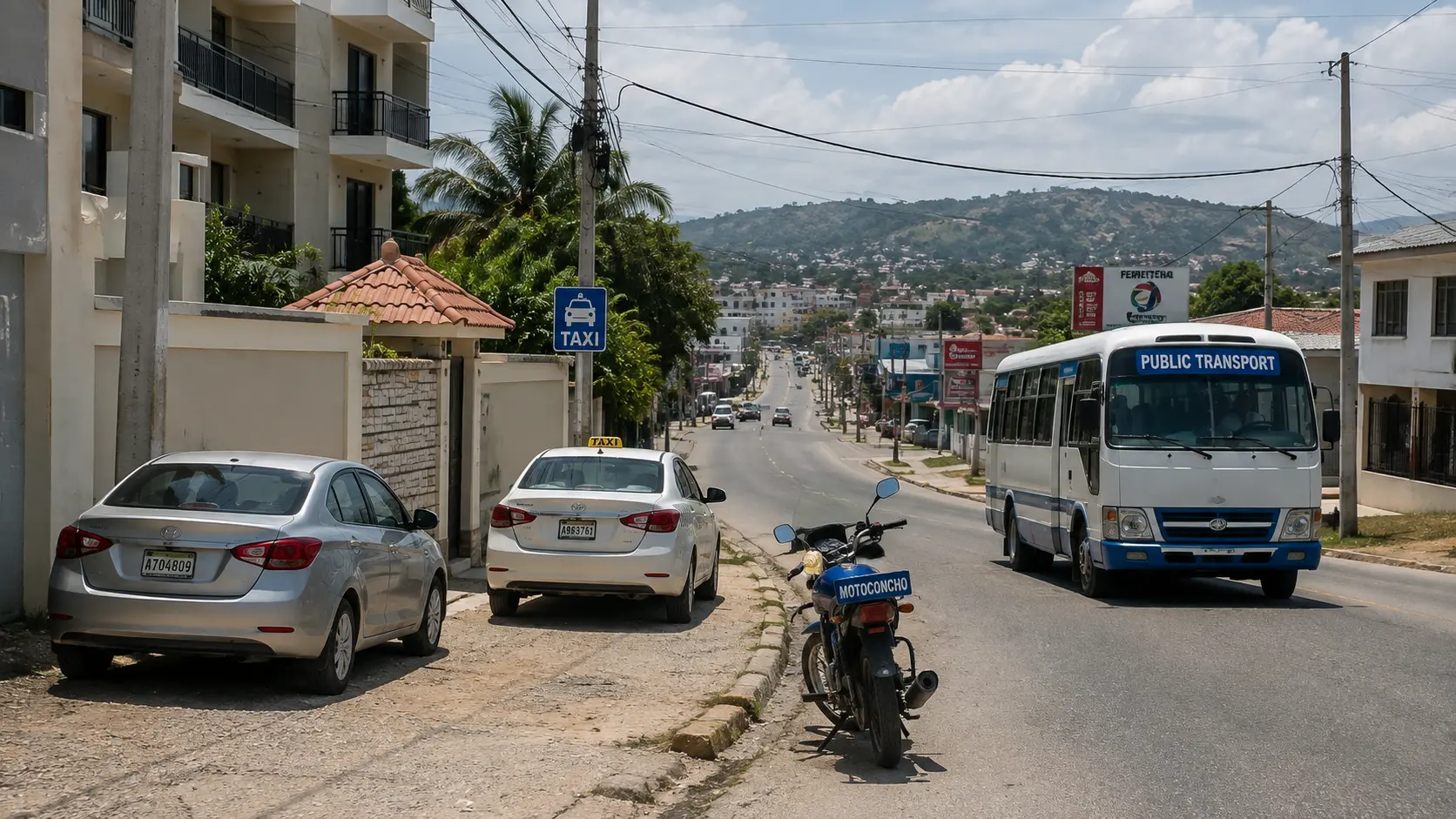
Common transportation options include:
- Private car
- Rental car
- Taxi
- Motoconcho
- Public transportation
- Private driver
- Airport transfer services
Owning a car introduces additional costs such as fuel, insurance, registration, repairs, and maintenance.
Location can therefore affect your total cost of living even when two properties have similar rents.
Puerto Plata Cost of Living for Canadians
Puerto Plata can appeal to Canadians who want access to city services while staying close to the North Coast beaches. Housing options include apartments, condos, villas, and gated residential communities.
Canadians who prefer a beachfront condo setting can also compare Xanadu’s beachfront residences in Playa Dorada when estimating the cost of owning a home in the Puerto Plata area.
The city also provides supermarkets, medical services, restaurants, banks, schools, and access to Gregorio Luperón International Airport.
For people who do not need to live directly beside the beach, Puerto Plata can offer different housing price points compared with central Cabarete or prime areas of Sosúa.
Monthly Budget for the Dominican Republic
A monthly budget for the Dominican Republic should be based on actual housing and lifestyle choices instead of a single online average.
Your budget should include:
- Rent or mortgage costs
- Condo or HOA fees
- Electricity
- Internet
- Mobile phone
- Groceries
- Restaurants
- Private healthcare
- Transportation
- Entertainment
- Home maintenance
- Travel
- Emergency savings
A person living simply in a smaller apartment can spend far less than someone renting an oceanfront condo, driving a private vehicle, eating imported food, and dining out several times each week.
Renting Versus Buying for a Canadian Budget
Canadians considering a longer stay often compare renting with owning property. Renting provides flexibility and allows you to learn how a neighborhood works before making a larger financial commitment.
Buying may make more sense for people who plan to spend substantial time in the Dominican Republic and want greater control over their home. Before purchasing, review the property buying process in the Dominican Republic.
For Canadians leaning toward condo ownership in Sosúa, Infiniti Blu’s beachfront units provide another property type to compare against the cost and flexibility of renting long term.
For Canadians considering a longer stay, the Cost of Living in the Dominican Republic for Canadians should be matched to the exact home and community rather than a national estimate.
A condo near Playa Alicia, a villa in Perla Marina, and a studio close to central Cabarete can produce very different monthly totals.
How Location Changes Your Monthly Expenses
Location can change almost every part of your budget.
A beachfront property may cost more but reduce transportation needs. A home farther inland may have lower rent but require regular driving.
Sosúa
Sosúa has a mix of condos, apartments, villas, beaches, supermarkets, restaurants, and established residential communities. It can suit people who want everyday services within a relatively compact area.
Cabarete
Cabarete is known for its beach lifestyle, restaurants, water sports, and walkable central areas. Properties close to the beach and town centre can carry higher rental prices.
Encuentro
Encuentro sits between Sosúa and Cabarete and is well known for surfing. Residential development has increased around the area, giving buyers and renters another North Coast option.
Perla Marina
Perla Marina is a gated residential community between Sosúa and Cabarete. Housing includes villas and condos with access to nearby beaches and North Coast services.
Puerto Plata
Puerto Plata provides a more urban setting with larger commercial areas, hospitals, government services, supermarkets, and residential neighborhoods.
A Practical Monthly Budget Checklist
A useful monthly budget for the Dominican Republic should use actual local quotes instead of broad assumptions.
- Housing: Include rent, mortgage payments, or ownership carrying costs.
- Electricity: Budget for heavier air conditioning months.
- Internet and mobile: Confirm service quality at the property.
- Groceries: Separate local food from imported products.
- Healthcare: Include insurance and an emergency reserve.
- Transport: Add car payments, fuel, taxis, or public transportation.
- Dining: Set a realistic restaurant budget.
- Recreation: Include beaches, gyms, excursions, and entertainment.
- Home upkeep: Include cleaning, pool care, garden work, repairs, or HOA charges.
- Travel: Budget for flights between Canada and the Dominican Republic.
FAQs
How much money does a Canadian need to live in the Dominican Republic?
Living costs vary based on housing, city, transportation, and lifestyle. A person renting a modest apartment and buying mostly local products may spend much less than someone living in a beachfront condo with a car and frequent restaurant spending.
Is the Dominican Republic cheaper than Canada?
Yes, major cost comparison databases currently show lower average housing and restaurant costs in the Dominican Republic than in Canada. The actual savings depend on your location and spending habits.
What is the average rent in Puerto Plata?
One bedroom rents can vary significantly between central areas, outer neighborhoods, furnished apartments, and modern condos. Always check current local listings because rental prices can change quickly.
Is Sosúa cheaper than Cabarete?
Sosúa and Cabarete have overlapping rental prices, but Cabarete properties close to the beach and central tourist area can cost more. The better value depends on the exact neighborhood, property type, and transportation needs.
How much are utilities in the Dominican Republic?
Utility costs depend heavily on electricity consumption. Air conditioning, pools, water heaters, and large homes can increase the monthly bill, while efficient condos may cost much less to operate.
How much does private health insurance cost in the Dominican Republic?
Private insurance prices depend on age, medical coverage, provider network, and policy limits. Canadians should compare several plans and check whether emergency hospitalization and medical evacuation are included.
Should Canadians rent before buying property in the Dominican Republic?
Yes, in many cases. Renting first allows you to test the neighborhood, utility costs, traffic, services, beach access, and daily lifestyle before making a long term property decision.
Can Canadians buy property in the Dominican Republic?
Yes, foreign buyers can own property in the Dominican Republic, but buyers should use proper legal due diligence and understand the purchase process before paying a deposit or signing a contract.
Which Dominican Republic area is best for Canadians?
There is no single best area for everyone. Sosúa, Cabarete, Puerto Plata, Encuentro, and Perla Marina offer different combinations of beach access, housing prices, walkability, services, and residential atmosphere.
Conclusion
The Cost of Living in the Dominican Republic for Canadians can be substantially lower than in Canada, but the strongest savings usually come from housing and everyday services rather than every expense. Imported products, frequent restaurant meals, large homes, vehicles, and heavy electricity use can reduce those savings. A useful budget should be based on the exact town, property, health plan, and lifestyle you expect to use. North Coast areas such as Puerto Plata, Sosúa, Cabarete, Encuentro, and Perla Marina offer different housing choices and price points.
Start with rent or ownership costs, then add realistic electricity, food, insurance, transport, recreation, and maintenance expenses. Ask for current utility bills and property specific fees before signing a lease or purchase agreement. Compare at least two local areas if you are unsure whether you want a city base, beach town, or gated community. That approach gives you a more realistic budget before making a long term move.