by
by 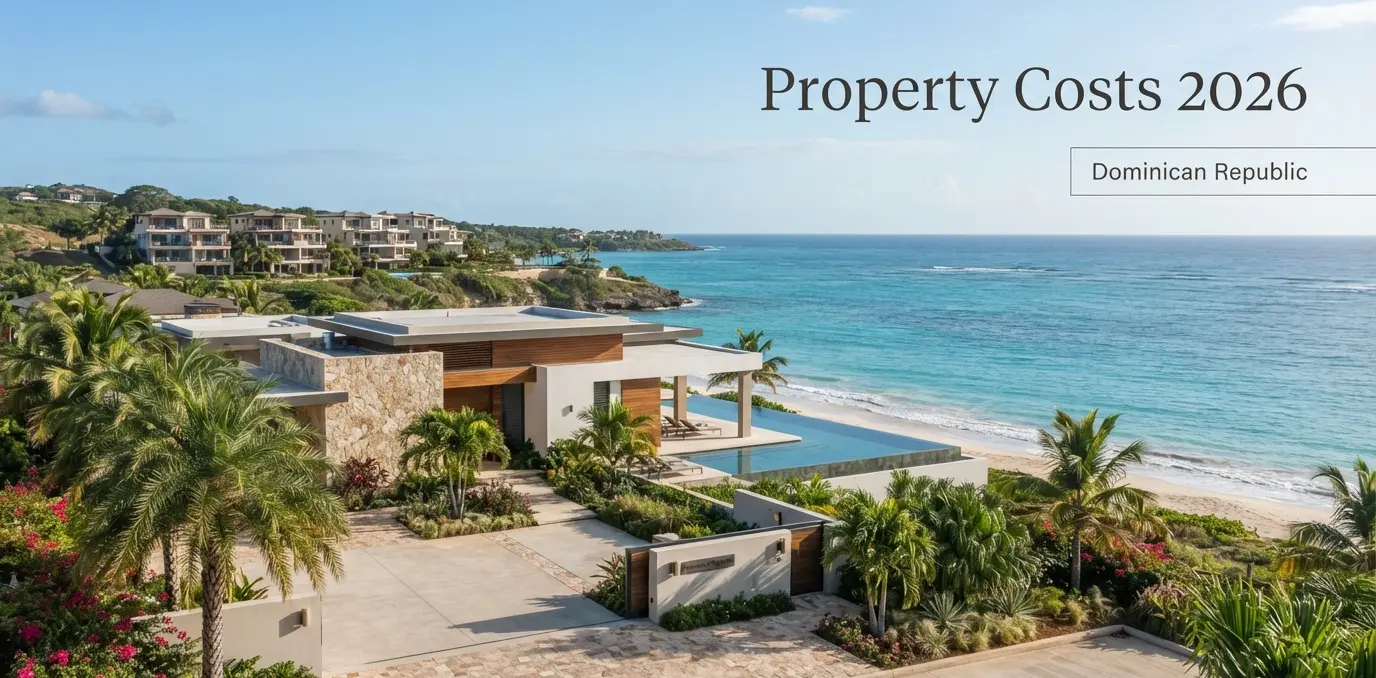
The cost of buying property in the Dominican Republic ranges from $90,000 for a small condo in Sosua to over $2 million for a beachfront villa in Punta Cana or Cap Cana. Closing costs add another 3% to 4% on top of the purchase price. Buyers also need to budget for the 3% property transfer tax, legal fees, and title registration. This guide breaks down every real cost so you know what to expect before you sign anything.
Foreign buyers face the same purchase process as Dominican citizens, which makes this market easier to enter than most people assume. Prices vary a lot by region, with Cabarete and Las Terrenas sitting in the mid-range and Casa de Campo topping the luxury end. You’ll also pay ongoing costs like HOA fees, property tax (called IPI), and insurance once you own. This article covers pricing by region, hidden fees, financing options, and answers to the questions local buyers ask most.
Average Property Prices by Region in the Dominican Republic
Property prices in the Dominican Republic shift sharply depending on the town, the distance to the beach, and whether the development has resort-style amenities. A condo two blocks from Sosua’s beach costs far less than one on Playa Bonita in Las Terrenas.
Buyers comparing Sosua properties can also look at Choco Hills, where the type of home and development setting can place individual properties above the area’s entry-level condo prices.
| Region | Property Type | Price Range (USD) | Typical HOA/Month |
| Sosua | 1-2 Bed Condo | $90,000 – $180,000 | $80 – $150 |
| Cabarete | Beachfront Condo | $150,000 – $350,000 | $100 – $200 |
| Las Terrenas | Villa | $250,000 – $700,000 | $150 – $300 |
| Punta Cana | Golf/Resort Condo | $180,000 – $600,000 | $150 – $400 |
| Cap Cana | Luxury Villa | $800,000 – $3,000,000+ | $400 – $1,200 |
| Casa de Campo | Estate Villa | $1,500,000 – $5,000,000+ | $600 – $2,000 |
Individual listings can vary from those regional averages; Infiniti Blu is one example of a Sosua condo community buyers may compare when evaluating location, amenities, and overall purchase cost.
These figures shift with construction quality, ocean proximity, and developer reputation, so always confirm current numbers through a Cost of Buying Property in the Dominican Republic specialist before locking in a budget.
In Las Terrenas, Blu Terrenas provides another useful example for buyers comparing different property types within a larger coastal development.
Beyond the six regions above, smaller pockets like Cofresi, Encuentro Beach, and Bavaro offer mid-range pricing that often gets overlooked. Buyers who widen their search past the big-name towns can sometimes find comparable ocean access for 15% to 20% less.
Buyers widening their search to Puerto Plata can also compare Xanadu Resort & Residences when considering resort-style condominium options outside the regions listed in the table.
Closing Costs and Government Fees When Buying Real Estate in the Dominican Republic
Closing costs when buying real estate in the Dominican Republic typically run 3% to 4% of the purchase price. This is lower than in most U.S. states, but it still adds up fast on a $400,000 villa. For a full breakdown of every fee involved, see this complete guide to closing costs when buying property in the Dominican Republic.
Here’s what that percentage actually covers:
- Property transfer tax (3%): paid to the DGII, the Dominican tax authority, at closing
- Legal fees (1% to 1.5%): your attorney handles title search, contract review, and registration
- Title registration fee: a flat charge to record the deed with the Title Registry Office
- Notary fees: required for document certification on most transactions
Some buyers also pay a real estate appraisal fee if their financing lender requires one. This is common when using a local bank for a mortgage instead of paying cash. Budget an extra buffer of $500 to $1,000 for miscellaneous administrative costs like document translation and courier fees for wiring funds internationally.
Who Pays Closing Costs, the Buyer or the Seller?
The buyer usually pays closing costs in the Dominican Republic. Sellers typically only cover the real estate agent commission, which is standard practice across Sosua, Cabarete, and Punta Cana. Always confirm this split in writing before signing a purchase agreement.
Ongoing Ownership Costs: Property Tax, HOA, and Insurance
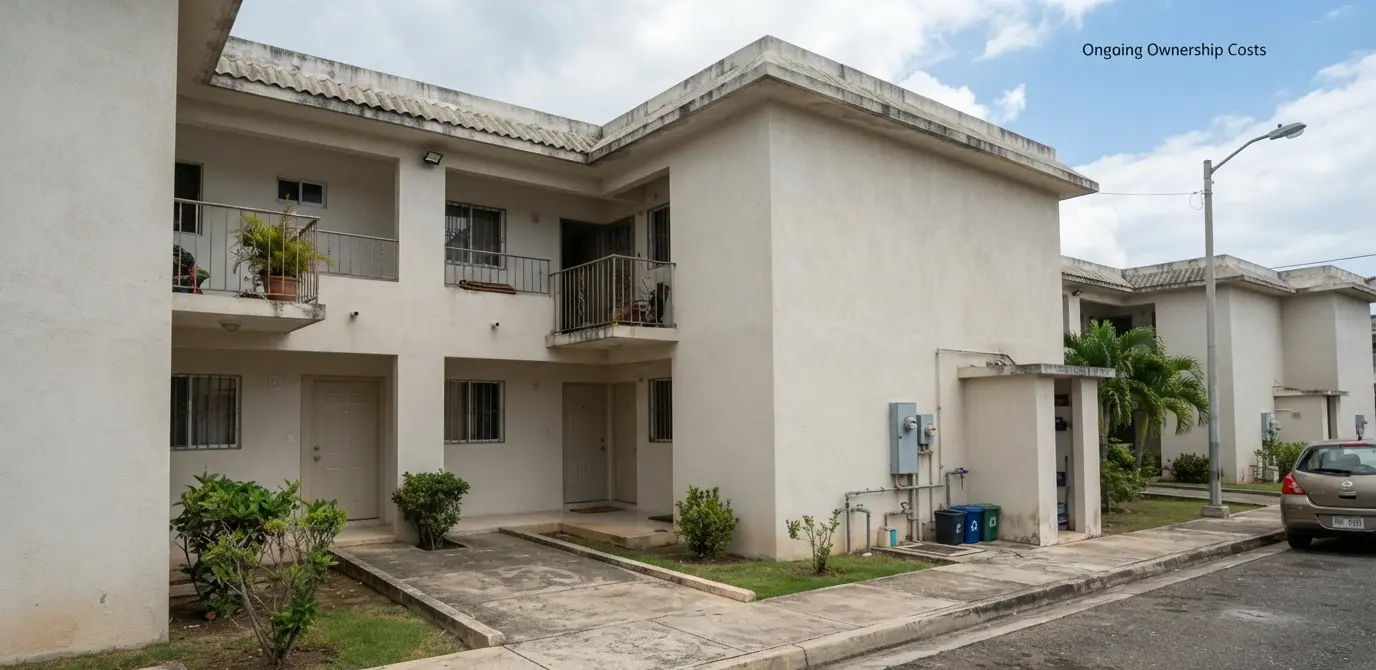
Buying the property is only step one. Owning it long-term comes with recurring costs that many first-time buyers forget to plan for.
- IPI (annual property tax): 1% of the property value above $175,000 (threshold adjusts yearly)
- HOA fees: cover pool maintenance, security, and landscaping in gated communities
- Homeowners insurance: typically $500 to $1,500 a year depending on coastal exposure
- Property management: 15% to 25% of rental income if you rent the home out
- Utilities: electricity runs higher than in the U.S. due to backup generator fuel in most developments
Coastal towns like Cabarete and Las Terrenas often carry higher insurance premiums because of hurricane risk. Inland properties near Santiago or Jarabacoa cost less to insure but see slower appreciation. If you plan to rent your unit short-term through platforms like Airbnb, factor in a 10% tourism tax on rental income as well.
Financing Options for Buying Property in the Dominican Republic
Most international buyers pay cash, but local and offshore financing options do exist. Dominican banks offer mortgages to foreigners, though rates run higher than in the U.S., typically between 8% and 12%.
Some developers in Punta Cana and Cap Cana offer direct financing with 30% to 50% down and the balance paid over 3 to 5 years. This works well for pre-construction units. If you want a full breakdown of lender requirements and payment structures, this guide on financing beachfront homes walks through each option step by step.
A smaller number of buyers use cross-border financing, borrowing against equity in a home country property instead of dealing with Dominican interest rates. This route avoids the higher local rates but requires strong credit and equity back home.
Best Areas to Buy Based on Budget
Your budget should drive your neighborhood choice more than anything else. Here’s a quick breakdown by price tier:
- Under $150,000: Sosua and inland Sosua neighborhoods near Pedro Clisante street
- $150,000–$400,000: Cabarete’s Kite Beach area, Encuentro, or central Las Terrenas
- $400,000–$800,000: Punta Cana golf communities like Punta Blanca and Cocotal
- $800,000+: Cap Cana, Casa de Campo, and private villas in Playa Grande
For a full comparison of listings across every price point, search by area to see what’s currently available in your target range. You can also browse nationwide listings across the Dominican Republic if you’re still deciding between coasts.
Common Mistakes That Increase Buying Costs
A lot of buyers pay more than they need to simply because they skip basic due diligence. Watch for these issues before you make an offer.
- Skipping a title search: some older properties near Sosua and Puerto Plata carry unresolved liens
- Not verifying survey boundaries: a deslinde (land survey) confirms your property lines match the deed
- Using the seller’s attorney: this creates a conflict of interest during negotiations
- Wiring funds without confirming bank details by phone: wire fraud targeting foreign buyers has increased in resort areas
Working with an independent, bilingual attorney and a licensed local broker cuts these risks dramatically. It’s the single best way to avoid surprise costs after closing.
FAQs
Can Foreigners Buy Property in the Dominican Republic?
Yes, foreigners can buy property in the Dominican Republic with the same rights as citizens. There’s no residency requirement and no restriction on foreign ownership of land or homes. The process typically takes 30 to 60 days from offer to closing.
Is It Cheaper to Buy Property in Punta Cana or Sosua?
Sosua is cheaper than Punta Cana for most property types. A comparable 2-bedroom condo costs roughly 40% less in Sosua than in Punta Cana’s golf and resort communities. Punta Cana’s higher prices reflect its resort infrastructure and stronger short-term rental demand.
Do I Need a Lawyer to Buy Property in the Dominican Republic?
Yes, hiring an independent attorney is strongly recommended, even though it’s not always legally mandatory. Your lawyer verifies clean title, checks for liens, and registers the deed correctly. Skipping this step is the most common mistake foreign buyers make.
What Is the Average Total Cost to Close on a $300,000 Home?
Expect to pay $9,000 to $12,000 in closing costs on a $300,000 home. This covers the 3% transfer tax plus legal and registration fees. Add another $1,000 to $2,000 if you use local financing and need an appraisal.
Is Property Tax High in the Dominican Republic?
No, property tax in the Dominican Republic is low compared to the U.S. The IPI tax only applies at 1% on the value above the yearly exempt threshold, currently around $175,000. Most owners of mid-range condos pay very little or nothing at all.
Can I Get a Mortgage as a Foreign Buyer?
Yes, several Dominican banks lend to foreign buyers, though approval requires more paperwork than a domestic loan. Interest rates usually land between 8% and 12%, higher than U.S. rates. Many buyers instead choose developer financing or pay cash to avoid the higher rate.
How Long Does It Take to Close on a Property in the Dominican Republic?
Closing typically takes 30 to 60 days once you sign the purchase agreement. Cash purchases move faster, while financed deals take longer due to bank appraisal and approval steps. Title registration alone can take several weeks after closing.
Conclusion
Understanding the full cost of buying property in the Dominican Republic means looking past the sticker price. Transfer taxes, legal fees, HOA dues, and annual property tax all shape your real budget. Coastal towns like Cabarete and Las Terrenas sit in the middle of the market, while Cap Cana and Casa de Campo represent the luxury tier. Sosua remains the entry point for buyers who want beach access without the resort-level price tag.
Every region carries its own mix of taxes, insurance costs, and rental potential, so matching your budget to the right area matters more than chasing the lowest listing price. Work with a licensed local attorney and a broker who knows current market data in your target neighborhood. Financing is available but comes with higher interest rates than buyers may expect from home. With the numbers in this guide, you’re ready to compare listings and move forward with confidence on your Dominican Republic purchase.