by
by 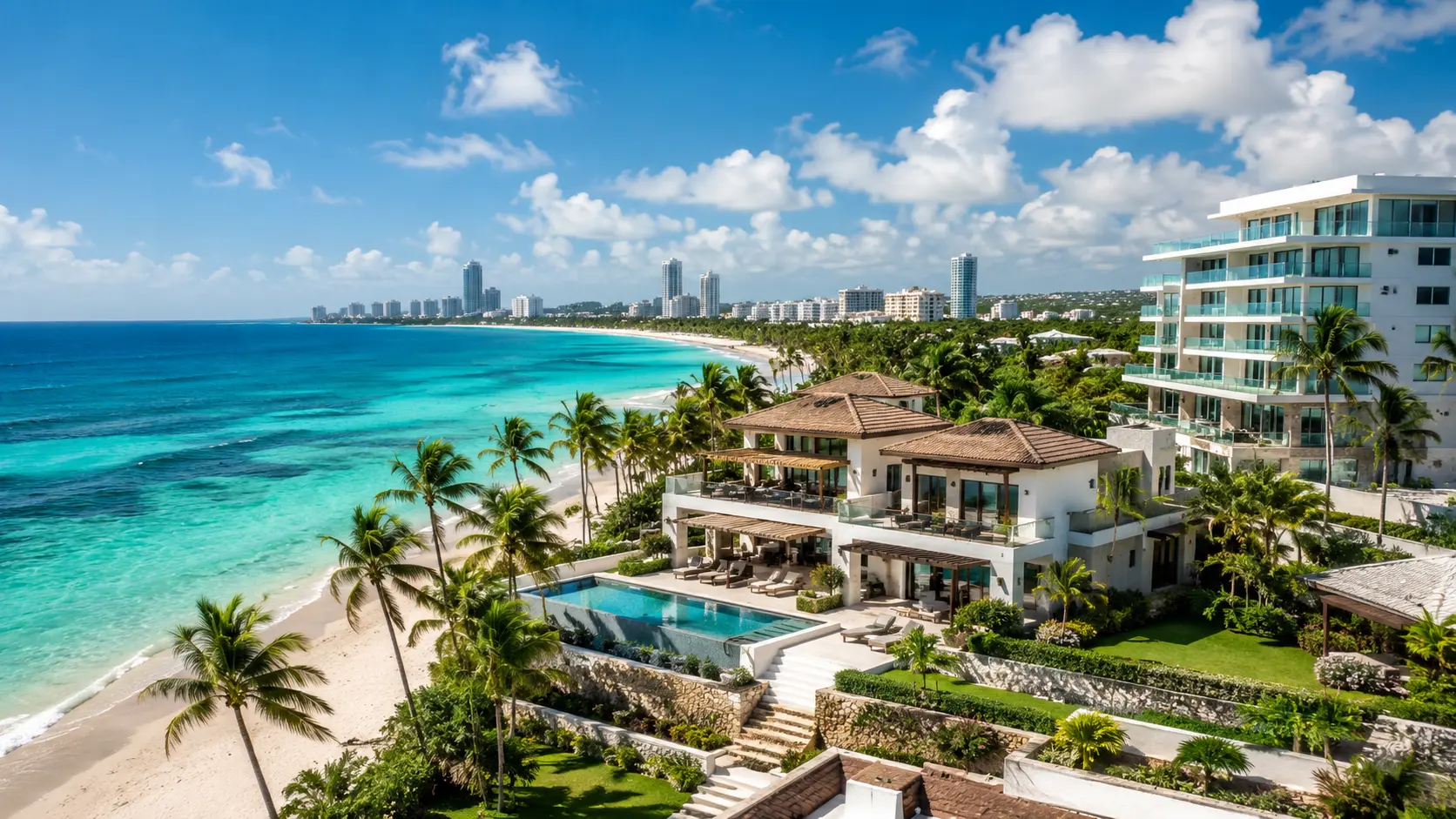
Punta Cana, Cabarete, Sosúa, Las Terrenas, and Santo Domingo are the best places to buy property in the Dominican Republic for investment in 2026, based on rental demand, price growth, and buyer traffic. Each area serves a different type of investor, so the “best” spot depends on your budget and your goals. Some buyers want short-term rental income near the beach. Others want long-term appreciation in a growing city.
This guide breaks down real prices, real neighborhoods, and real trade-offs across the country. For a full, up-to-date view of current listings, check out Places to Buy Property in the Dominican Republic: Top Local Listings Near You to see homes and condos available in your target area right now. You’ll see condo and villa price ranges by town, plus which areas fit rental investors versus retirees. We also cover Dominican Republic real estate investment costs you need to plan for before you sign anything.
Comparing Dominican Republic Property Prices by Region
| Location | Condo Price Range | Villa Price Range | Best For |
| Punta Cana / Bávaro | $150,000–$400,000 | $500,000–$2M+ | Short-term rental income |
| Cabarete | $111,500–$300,000 | $408,000–$2M | Digital nomads, kiteboarders |
| Sosúa | $189,000–$350,000 | $408,000–$700,000 | Budget-friendly retirement |
| Las Terrenas | $129,000–$400,000 | $500,000–$2.2M | Lifestyle, European expat buyers |
| Santo Domingo (Piantini/Naco) | $180,000–$450,000 | $500,000+ | Long-term appreciation |
These numbers shift with the season and the building, but they give you a realistic starting point for Dominican Republic property prices in 2026.
Punta Cana Real Estate: Best for Rental Income
Punta Cana is where most first-time investors start, and it’s easy to see why. This region pulls in the highest volume of tourists in the country, which keeps short-term rental demand strong year-round. The area around Cap Cana and Bávaro sits close to the international airport, so travel time is short for guests and owners alike.
Condos in gated resort communities start around $150,000. Villas with private pools run from $500,000 up to $2 million or more, especially in Cap Cana’s gated estates. Buyers who want passive rental income tend to favor Punta Cana because property management companies here already run full-service Airbnb operations.
A few things to know before you buy in this zone:
- Los Corales and El Cortecito have seen heavy short-term rental supply, so returns are getting squeezed in those specific pockets.
- Cap Cana offers newer builds with stronger long-term appreciation.
- HOA fees run higher here than almost anywhere else in the country, often $150–$400/month.
Cabarete and Sosúa: Affordable North Coast Investment Spots
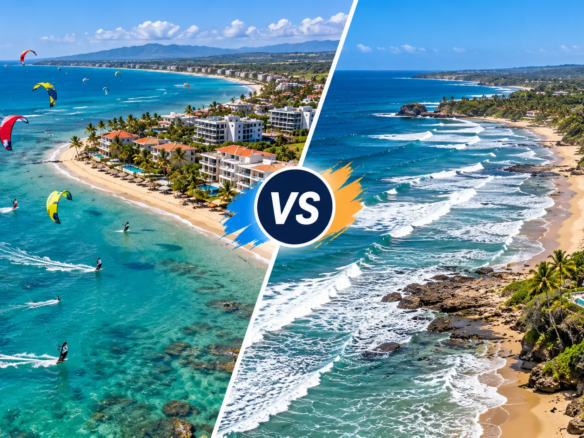
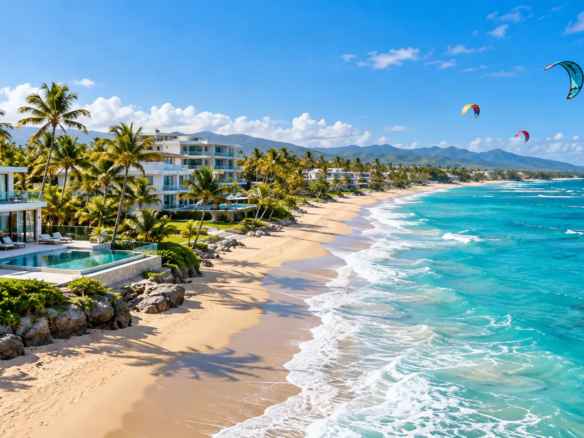
Cabarete and Sosúa sit on the north coast, about 20 minutes apart, and they draw a younger, more budget-conscious buyer. Cabarete is known worldwide as a kiteboarding and windsurfing hub, and that reputation keeps a steady flow of active, outdoor-focused tourists coming back.
Investors who prefer villa-style properties near Cabarete can also consider the Sunset by the Sea community, a pre-construction villa option that fits buyers looking for a coastal property in this part of the North Coast.
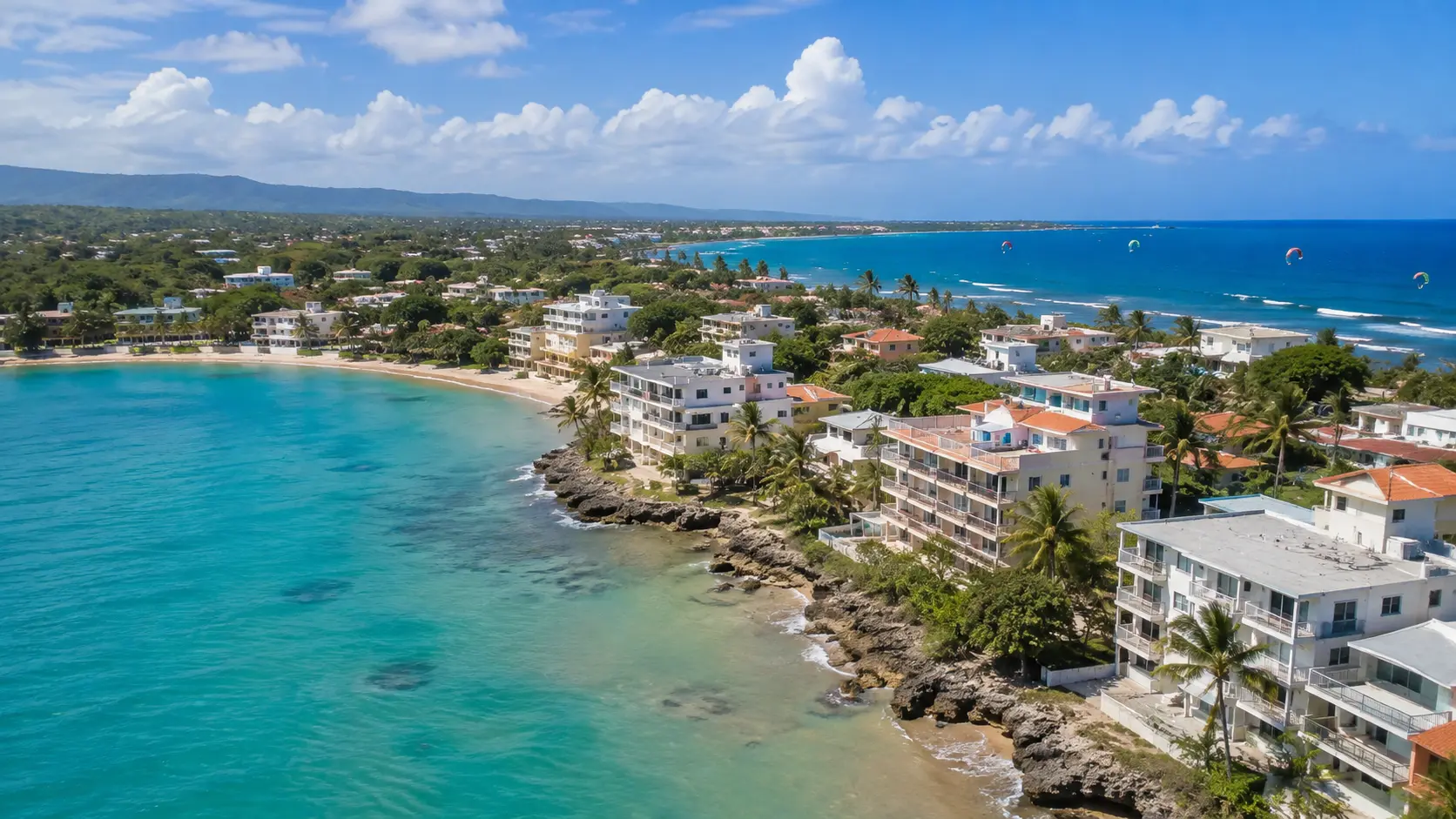
Entry-level condos in Cabarete start around $111,500, making it one of the cheapest ways into north coast real estate. Sosúa, just down the coast, offers a similar mix but with a longer-established expat community and a calmer bay. Homes here start near $200,000, and the area is popular with retirees who want lower living costs without giving up beach access.
Within Sosúa, buyers can compare different property styles depending on their investment strategy. the Choco Hills development offers villas and residential options in the El Choco area, while the Infiniti Blu development gives buyers a condo option in El Batey.
Both towns are inland enough from Puerto Plata International Airport to stay convenient, but far enough from big resorts to keep prices reasonable. If you’re weighing your options, our full breakdown of local Dominican Republic real estate markets covers each town in more detail. For a head-to-head look at pricing, lifestyle, and rental returns between the two, see this Cabarete vs Sosúa property comparison.
Investors willing to expand their North Coast search beyond Cabarete and Sosúa can also review Xanadu Resort & Residences in Puerto Plata, a pre-construction condo development located in Playa Dorada.
Las Terrenas: Where to Buy Beachfront Property in the Dominican Republic
Las Terrenas sits on the Samaná Peninsula, and it’s become the go-to spot for buyers who want a slower pace with European flair. French and Italian expats built much of the town’s café and restaurant scene, and that influence shows up in the architecture too.
Condos start around $129,000, but luxury beachfront villas can climb past $2.2 million near Playa Bonita and Playa Cosón. The Gri-Gri Lagoon area near Río San Juan is gaining attention from investors looking for something quieter than the main strip. This region works best for buyers who care more about lifestyle and long-term value than fast rental turnover.
Investors comparing larger residential developments in the area can also review the Blu Terrenas project, which offers apartments, townhouses, and villas in El Portillo, Las Terrenas.
Santo Domingo: Long-Term Appreciation Over Beach Views
If rental yield near the beach isn’t your priority, Santo Domingo offers a different kind of investment. The Piantini and Naco neighborhoods attract young professionals and expats working in finance, tech, and diplomacy. Apartments here sell faster than almost anywhere else in the country, often in 60 to 100 days for a well-priced unit.
Prices range from $180,000 for a smaller unit to $450,000 and up for larger apartments in newer towers. Evaristo Morales and Ensanche Quisqueya are gentrifying fast, which means earlier buyers are catching lower entry prices before values catch up. This is the pick for investors who want steady appreciation instead of vacation rental churn.
What It Costs to Buy: Fees Beyond the Purchase Price
Sticker price is never the full picture. Before you commit to any of these places to buy property in the Dominican Republic, budget for closing costs, transfer taxes, and legal fees on top of the purchase price. These typically add 3% to 5% to your total spend.
For a full walkthrough of what to expect, check our detailed guide to closing costs when buying property in the Dominican Republic. Foreign buyers face zero ownership restrictions here, which is a real advantage compared to many other Caribbean nations, but the paperwork still needs a local attorney to get right.
FAQs
Can foreigners buy property in the Dominican Republic?
Yes. Foreign buyers have the same property rights as citizens, with no restrictions on ownership or the type of property they can buy. You’ll still need a local attorney to handle title registration and due diligence.
What is the best area to buy rental property in the Dominican Republic?
Punta Cana and Cap Cana lead the country for short-term rental income because of tourist volume and airport access. Cabarete and Las Terrenas are strong second choices for slightly lower entry prices with solid occupancy rates.
Is Sosúa or Cabarete cheaper to buy in?
Cabarete generally has the lower entry point, with condos starting near $111,500 compared to Sosúa’s roughly $189,000. Sosúa homes often come with more established infrastructure and a longer-running expat community.
How long does it take to sell property in the Dominican Republic?
A well-priced property in Piantini, Naco, or Punta Cana typically finds a buyer in 60 to 100 days. Overpriced homes or properties with unclear title documents can sit on the market for six months or longer.
Do I need a visa to buy property in the Dominican Republic?
No. You don’t need residency or a visa to purchase real estate in the country. Many buyers hold property as non-residents and only pursue residency later if they plan to live there full-time.
Are there property taxes in the Dominican Republic?
Yes, but they’re low by international standards. Properties valued above a set threshold pay an annual 1% tax, and many new developments qualify for tax exemptions under the CONFOTUR incentive program.
What’s the minimum budget to invest in Dominican Republic real estate?
You can enter the market with condos starting around $111,500 in Cabarete or Puerto Plata. Land purchases for custom builds can start even lower, around $50,000 for smaller parcels in areas like Jarabacoa.
Conclusion
Every region on this list solves a different problem for a different buyer. Punta Cana and Cap Cana work best if rental income is your main goal, since tourist volume there stays high all year. Cabarete and Sosúa fit buyers who want a lower entry price without giving up beach access, and Las Terrenas suits anyone chasing a slower, more European pace of life. Santo Domingo stands apart for investors who care more about steady appreciation than vacation rental turnover.
Whichever region fits your budget, the fundamentals stay the same: check the title, budget for closing costs, and work with someone who knows the local market. The places to buy property in the Dominican Republic covered here each carry real upside, but the right choice always comes down to your goals and your timeline. Talk to trusted, local real estate agents nearby before you sign anything, since local knowledge catches problems that a listing photo never will. With the right guidance, your next property purchase in the Dominican Republic can become a reliable, long-term asset instead of a costly guess.