by
by 
A Caribbean Real Estate Dominican Republic guide should cover locations, property types, costs, legal checks, and safe buying steps. It should help buyers understand where to buy and what kind of property fits their goal. It should also explain the role of a local broker, attorney, and notary in simple words. A useful guide gives clear answers before a buyer spends time or money.
The Dominican Republic has beach towns, city areas, resort communities, and quiet inland neighborhoods. Buyers may want a condo in Punta Cana, a villa near Sosúa, a surf-town home in Cabarete, or an apartment in Santo Domingo. Each area has its own price range, rental demand, and lifestyle. This guide breaks everything into simple parts so buyers can make a careful choice.
Buyer Guide
| Buyer Need | Section to Read | Why It Matters |
| Safe purchase process | Legal checks before buying property | Helps reduce title, contract, and ownership risks |
| Better area choice | Best locations for Caribbean property buyers | Matches the property with budget, lifestyle, and rental goals |
| Clear budget planning | Key costs buyers should understand early | Helps buyers avoid surprise costs after making an offer |
| Right property type | Popular property types across the island | Shows the difference between condos, villas, land, and homes |
| Rental potential | Investment value and rental potential | Connects location and property type with income goals |
| Local support | Role of a local real estate broker | Helps buyers move from viewing to closing with more confidence |
Caribbean Real Estate Dominican Republic
The Dominican Republic is a popular Caribbean market for buyers who want beach living, rental use, or a second home. The country has resort zones, coastal towns, and city neighborhoods. This gives buyers more than one type of market to consider.
A buyer can choose from condos, villas, land, gated homes, beachfront units, ocean-view homes, and pre-construction properties. Each option comes with different costs and responsibilities. The right choice depends on budget, location, purpose, and timeline.
Main Purpose of a Dominican Republic Property Guide
A property guide should help buyers move from interest to a clear plan. It should explain the buying process in simple language. It should also show what to check before making an offer.
A strong Caribbean Real Estate Dominican Republic guide connects the property choice with the buyer’s real goal. Some buyers want rental income. Some want a retirement home. Others want a vacation property near the beach.
A useful guide should cover:
- Best places to buy based on buyer goals
- Beachfront, ocean-view, and inland property differences
- Legal checks before signing
- Full cost beyond the listing price
- Broker, attorney, and notary roles
- Risks linked with resale and pre-construction properties
Current Buyer Interest in Dominican Republic Real Estate
Buyer interest comes from foreign buyers, retirees, investors, vacation-home buyers, and local residents. Each group looks at the market in a different way. That is why one property will not suit every buyer.
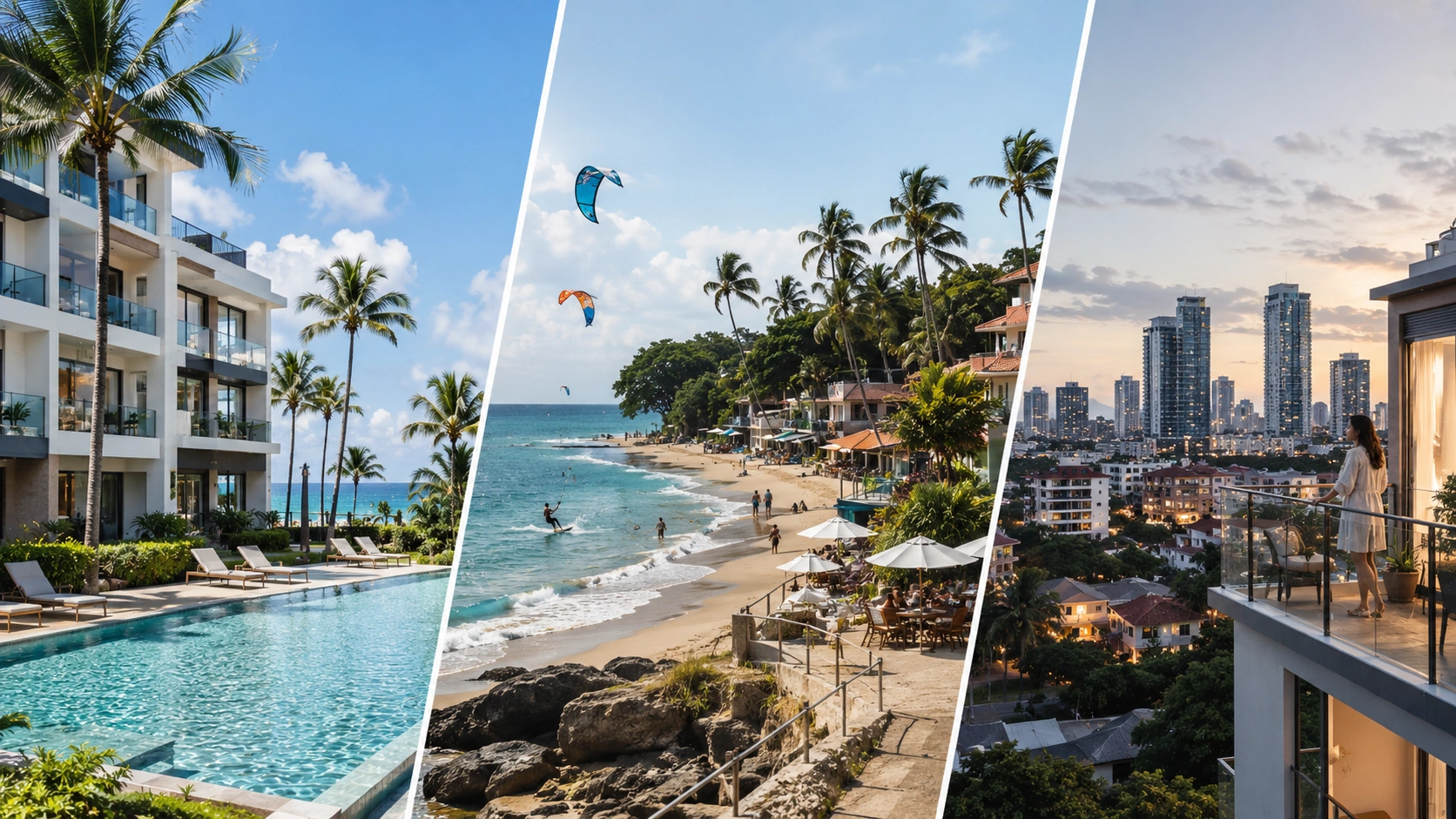
Punta Cana and Bávaro often suit buyers who want resort living and vacation rental demand. Sosúa and Cabarete suit people who like the North Coast lifestyle, beaches, restaurants, and water sports. Santo Domingo is better for buyers who want city access, hospitals, schools, shopping, and long-term demand.
This buyer mix matters. A beach condo may suit short-term rentals. A villa in a gated area may suit retirement or family use. A city apartment may suit steady long-term tenants.
Popular Property Types Across the Island
Dominican Republic real estate has several property types. Condos are common in resort towns because they can be easier to manage. Villas offer more space and privacy, but they usually need more upkeep.
Beachfront homes often cost more because direct beach access is limited. Ocean-view homes may offer a better balance of price, views, and privacy. Land can work for custom builds, but it needs strong legal and zoning review.
Common property types include:
- Beachfront condos near tourist zones
- Ocean-view villas in coastal areas
- Gated community homes with shared services
- Pre-construction condos with staged payments
- Ready-to-move resale homes
- Land for future homes or custom projects
- City apartments in Santo Domingo and Santiago
Best Locations for Caribbean Property Buyers
Location is one of the most important parts of buying property in the Dominican Republic. A lower price in the wrong area can create rental, resale, or lifestyle problems. A better location may cost more, but it can give stronger long-term value.
Punta Cana is known for beaches, resorts, airport access, and vacation rental interest. Cap Cana and Bávaro suit buyers who want planned communities and modern services. La Romana and Casa de Campo may fit buyers who prefer a private resort lifestyle.
The North Coast has a different feel. Sosúa has beaches, restaurants, and an active expat community. Cabarete is known for surfing, kiteboarding, and relaxed beach living. Puerto Plata offers beaches, local services, history, and airport access.
Las Terrenas and Samaná suit buyers who prefer a greener and quieter coastal setting. Santo Domingo works well for city buyers who need business access, healthcare, shopping, and year-round housing demand. Each area has a different buyer profile.
Beachfront, Ocean-View, and Inland Property Differences
Beachfront property sits directly on or very near the beach. It usually has strong lifestyle appeal. It can also bring higher prices, more maintenance, and more exposure to salt air.
Ocean-view property gives water views without always being on the sand. It may offer more privacy and better pricing than beachfront property. It can also have less foot traffic, depending on the area.
Inland property may suit buyers who want more space, lower prices, or a quieter setting. It can work well for long-term living. Buyers should still check road access, shops, beach distance, healthcare, and local services.
Key Costs Buyers Should Understand Early
The listing price is only one part of the budget. Buyers should also plan for closing costs, legal fees, taxes, HOA fees, insurance, furnishing, repairs, and maintenance. These costs can change by property type and location.
A condo in Punta Cana may have monthly HOA fees for security, pool care, landscaping, and shared areas. A villa may need garden care, pool service, roof upkeep, pest control, and regular repairs. Land may need surveys, permits, design work, and utility checks.
Before signing, buyers should ask for a full cost picture. This should include the expected closing amount and monthly ownership costs. Clear numbers help buyers avoid pressure and rushed decisions.
Legal Checks Before Buying Property
Legal review is one of the most important steps in the buying process. Buyers should use a qualified local real estate attorney before signing a binding contract. The attorney should review the title, seller authority, liens, boundaries, permits, and contract terms.
The title review should confirm that the seller has the right to sell. It should also check whether the property has debts, claims, or legal limits. For land or custom-build plans, boundary and zoning checks are also important.
Buyers should not rely only on photos, price, or verbal promises. A clean legal process protects the buyer from problems after closing. This is especially important for foreign buyers who do not know the local paperwork.
Foreign Buyer Rules in the Dominican Republic
Foreign buyers can consider property in the Dominican Republic, but proper legal support is still important. A buyer should confirm the current process with a local attorney before making a payment. Property rules, taxes, and paperwork can depend on the buyer and property.
The process usually includes a property search, offer, agreement, due diligence, payment terms, notary work, and title transfer. A broker helps with property options and local guidance. An attorney handles legal review.
Foreign buyers should keep copies of all payments, contracts, IDs, and signed documents. They should also ask how funds are handled and when payments are due. Clear paperwork is safer than verbal trust.
Financing and Payment Options for Buyers
Some buyers pay in cash because it can make the process faster. Others use developer payment plans, seller financing, or local lending options where available. The right option depends on the property, seller terms, and buyer profile.
Pre-construction projects often use staged payments. This can make payment easier over time. The buyer still needs to review the developer, contract, timeline, and delivery terms.
Buyers should compare payment options based on:
- Total cost over time
- Deposit amount
- Payment dates
- Delivery timeline
- Refund terms
- Currency exchange risk
- Legal protection in the contract
Investment Value and Rental Potential
Rental potential depends on location, property type, management, seasonality, and guest demand. A condo near beaches, restaurants, and airport access may perform differently from a quiet residential villa. Buyers should not assume every beach property will bring the same result.
A short-term rental plan needs good photos, cleaning support, guest communication, and reliable management. It also needs clear HOA or community rules. A long-term rental plan needs steady local demand, parking, security, and access to services.
Buyers should review income numbers with care. They should ask about occupancy, monthly costs, management fees, repairs, taxes, and low-season performance. A strong property should still make sense if rental income is lower than expected.
Pre-Construction and Ready-to-Move Property Comparison
Pre-construction property can offer early pricing and flexible payment plans. It may also allow buyers to choose finishes, layouts, or units before completion. The main concern is that the buyer must wait for delivery.
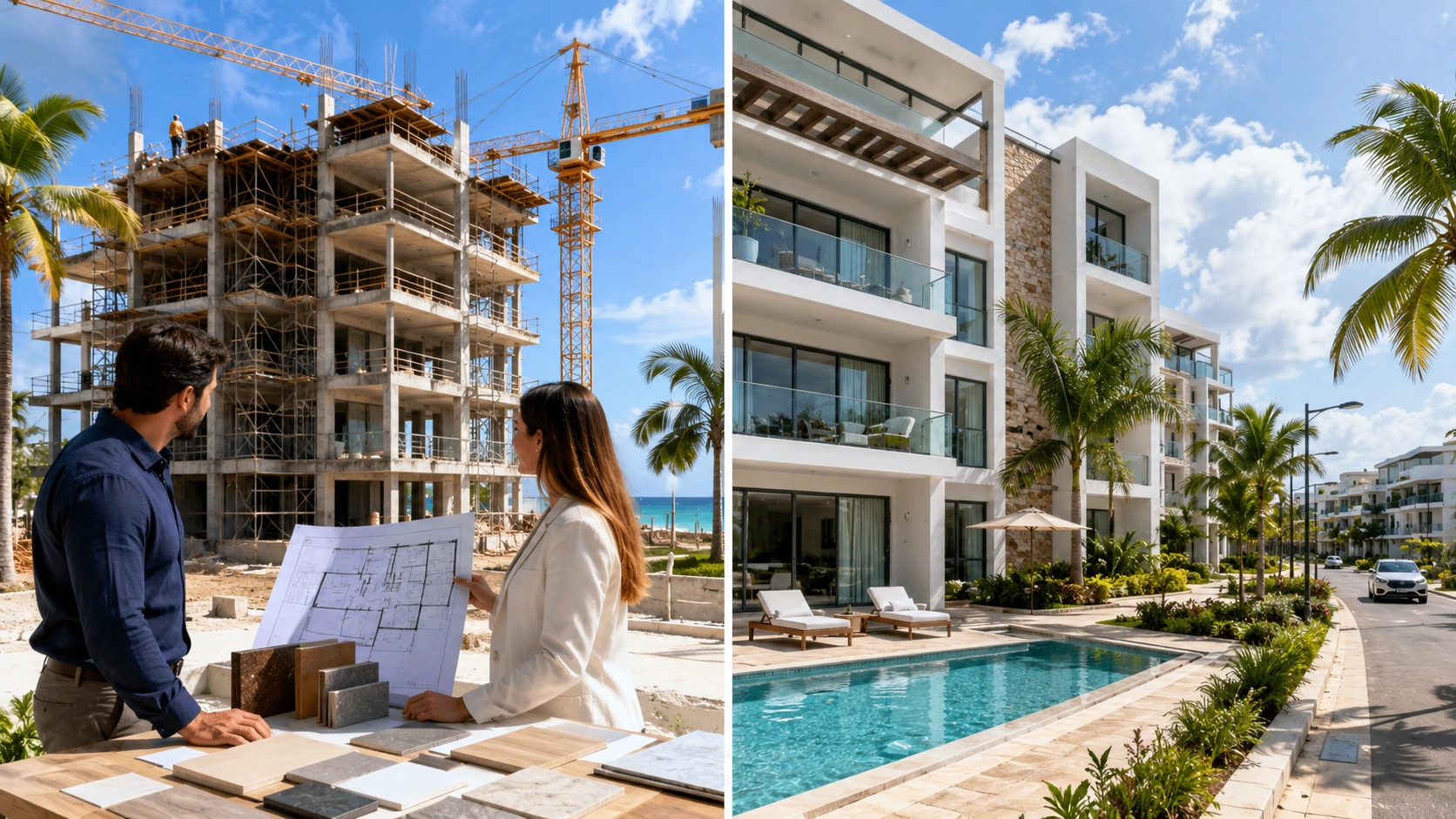
Ready-to-move property gives the buyer something they can inspect before purchase. It can be lived in, used, or rented sooner. Buyers can also check the building condition, neighborhood, HOA, and nearby services more clearly.
Both options can work. Pre-construction may suit patient buyers who accept timeline risk. Ready property may suit buyers who want faster use and fewer unknowns.
Lifestyle Factors That Affect Property Choice
Lifestyle is not only about the beach. Buyers should think about travel time, healthcare, grocery stores, restaurants, safety, road access, internet, and community rules. A good property can feel wrong if daily life does not fit the buyer.
A quiet retirement buyer may prefer a gated villa or calm coastal town. A rental-focused buyer may need a tourist-friendly condo near beaches and restaurants. A family buyer may care more about schools, clinics, and daily services.
Local lifestyle checks should include:
- Distance to the nearest airport
- Road condition during rain
- Beach access and parking
- Nearby shops and pharmacies
- Hospital or clinic access
- Community fees and rules
- Noise from roads, bars, or tourist zones
- Internet and utility reliability
Common Buyer Mistakes in Caribbean Real Estate
Many buyers make mistakes because they fall in love with a view too quickly. A beautiful property can still have legal, budget, location, or maintenance problems. Buyers should slow down and check the basics.
One common mistake is choosing an area without visiting it at different times. A street may feel quiet in the morning but busy at night. A beach town may feel active in high season and much slower in low season.
Other common mistakes include:
- Skipping attorney review
- Ignoring monthly HOA fees
- Trusting rental income guesses
- Paying before paperwork is clear
- Underestimating ocean-side maintenance
- Choosing price over location
- Buying land without zoning and access checks
Role of a Local Real Estate Broker
A local broker helps buyers compare areas, property types, prices, and practical details. The broker can explain which communities suit vacation use, rental plans, retirement living, or long-term relocation. This can save buyers from wasting time on poor-fit properties.
A broker can also help with viewings, offer support, seller communication, and closing coordination. The broker does not replace an attorney. Their role is to keep the property side of the process clear and organized.
Broker support is useful when buyers are overseas. Remote buyers need clear photos, videos, area context, and honest feedback before traveling or reserving a property. The best support is direct, practical, and focused on the buyer’s goal.
Practical Checklist for Serious Buyers
A checklist helps buyers stay organized. It also keeps the process from becoming only about price or emotion. Before making an offer, a buyer should understand the area, budget, property condition, and legal steps.
Use this simple buyer checklist:
- Set a clear budget with room for fees and repairs
- Choose the main goal: vacation use, rental income, retirement, or relocation
- Compare at least two or three areas
- Review property type, HOA rules, and monthly costs
- Ask for title and ownership details
- Use a local attorney for legal review
- Confirm payment schedule and contract terms
- Check utilities, internet, access roads, and maintenance needs
- Review rental rules if income is part of the plan
- Keep all records of payments and signed documents
A good checklist does not slow the buyer down. It makes the buyer safer. The right process can prevent expensive problems after closing.
FAQs
Can foreigners buy property in the Dominican Republic?
Yes, foreigners can buy property in the Dominican Republic. Buyers should still use a local attorney to review the title, contract, payment terms, and transfer process.
Is Dominican Republic real estate good for investment?
Yes, it can be good for investment when the location, property type, rental rules, and costs make sense. Punta Cana, Bávaro, Sosúa, Cabarete, and Las Terrenas often interest buyers who want vacation use and rental potential.
What is the best area to buy property in the Dominican Republic?
There is no single best area for every buyer. Punta Cana may suit resort and rental buyers, while Sosúa, Cabarete, Puerto Plata, Las Terrenas, Samaná, La Romana, and Santo Domingo fit different budgets and lifestyles.
Are beachfront properties better than ocean-view properties?
No, beachfront is not always better. Beachfront homes offer direct access, while ocean-view homes may offer more privacy, better pricing, and lower maintenance in some areas.
What costs come with buying property in the Dominican Republic?
Buyers should plan for the property price, closing costs, legal fees, taxes, HOA fees, insurance, repairs, furnishing, and maintenance. A full budget should be reviewed before signing.
Is pre-construction property safe in the Dominican Republic?
Yes, it can be safe when the developer, contract, payment plan, land title, and delivery terms are reviewed properly. Buyers should not rely only on brochures or sales promises.
Do buyers need a lawyer for Dominican Republic real estate?
Yes, buyers should use a local real estate attorney. The attorney checks the title, contract, ownership details, and legal risks before the buyer closes.
Can Dominican Republic property be used as a vacation rental?
Yes, many properties can be used as vacation rentals, but buyers must check HOA rules, local demand, management costs, and seasonal changes. A rental plan should be based on realistic numbers.
Is it better to buy a condo or villa in the Dominican Republic?
It depends on the buyer’s goal. Condos can be easier to maintain, while villas may offer more space, privacy, and control.
What should buyers check before making an offer?
Buyers should check location, title status, property condition, monthly costs, access roads, utilities, HOA rules, rental limits, and legal documents. This review helps avoid problems after closing.
Conclusion
A good guide should help buyers understand the market, compare locations, review costs, and move through the buying process with care. Caribbean Real Estate Dominican Republic can suit many types of buyers, but the right choice depends on budget, location, legal review, and long-term use. Buyers should think beyond the listing price and look at daily comfort, ownership costs, and future value. A calm, step-by-step process is better than rushing into a property because it looks attractive.
The strongest buying decision comes from clear information, local support, and proper legal checks. Buyers should compare Punta Cana, Sosúa, Cabarete, Puerto Plata, Las Terrenas, Samaná, La Romana, and Santo Domingo based on their real goals. A trusted local broker and attorney can help reduce confusion and keep the process on track. With the right plan, a buyer can choose a Dominican Republic property that fits both lifestyle and financial needs.