by
by 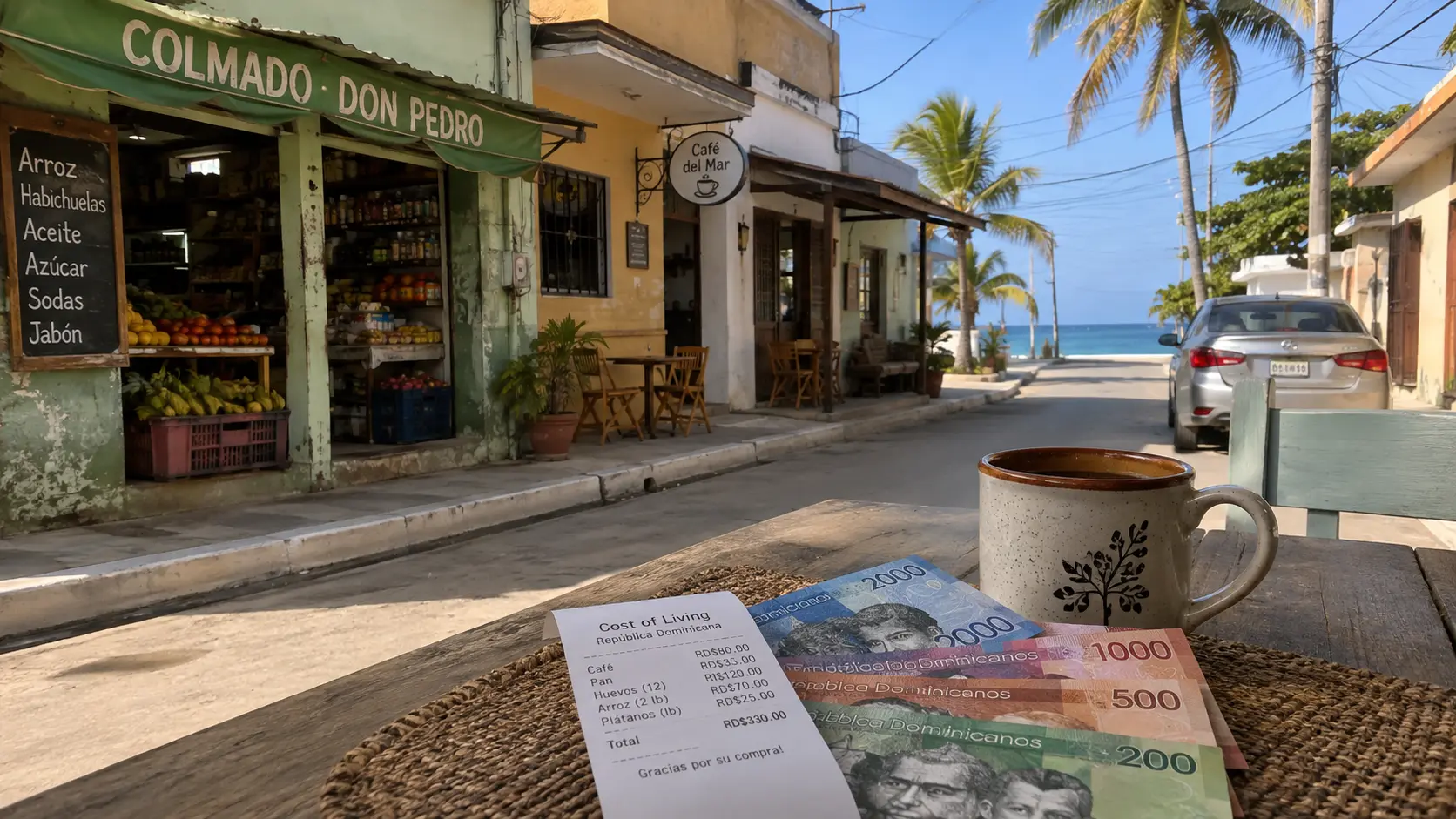
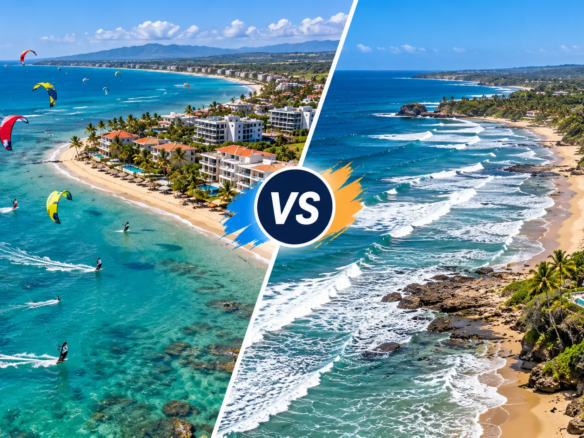
The cost of living in the Dominican Republic for Americans typically runs between $1,200 and $2,500 a month for a single person, covering rent, food, utilities, and transport. That’s roughly 40% to 60% less than what most Americans pay back home, even in mid-sized U.S. cities. Housing is the biggest line item, followed by electricity if you run air conditioning often. Groceries, healthcare, and transportation stay cheap almost everywhere outside the top tourist zones.
This guide breaks down real 2026 numbers by category so you can build an honest budget before you move. We’ll cover rent in popular expat areas, everyday food costs, healthcare pricing, and the extra fees Americans often forget to plan for. If you’re weighing a move to Sosúa, Las Terrenas, Punta Cana, or Santo Domingo, this is the cost of living in the Dominican Republic for Americans breakdown that matches what people are actually spending on the ground. We’ll also flag where local real estate pricing makes the biggest difference in your monthly total.
What Americans Actually Spend
| Category | Single Person (USD) | Couple (USD) | Notes |
| Rent (1-bed, expat area) | $500 – $1,100 | $700 – $1,500 | Higher in Punta Cana, Cap Cana, Cabarete |
| Groceries | $200 – $350 | $350 – $550 | Local markets cost far less than imported goods |
| Utilities (AC-heavy) | $60 – $150 | $80 – $200 | Electricity is the biggest surprise cost |
| Private health insurance | $40 – $80 | $80 – $160 | Doctor visits run 30–60 out of pocket |
| Transportation | $50 – $150 | $80 – $250 | Depends on car vs. motoconcho vs. taxi |
| Dining out | $100 – $300 | $150 – $450 | Local comedores vs. tourist restaurants |
| Total monthly | $1,200 – $2,500 | $2,000 – $3,500 | Varies heavily by neighborhood |
Prices shift fast depending on which coast you pick. A retiree in Jarabacoa’s mountain air can spend under $1,400, while a family renting a gated villa near Punta Cana real estate developments can easily clear $4,000. If you want a side-by-side view for a different nationality, our cost of living guide for Canadians moving to the Dominican Republic covers how the exchange rate changes that math.
Americans comparing ownership with long-term renting can also look at a premier resort-style residence option in Playa Dorada, Puerto Plata, while factoring the property purchase and ongoing ownership expenses into their overall budget.
Housing Costs and Rental Prices by Region
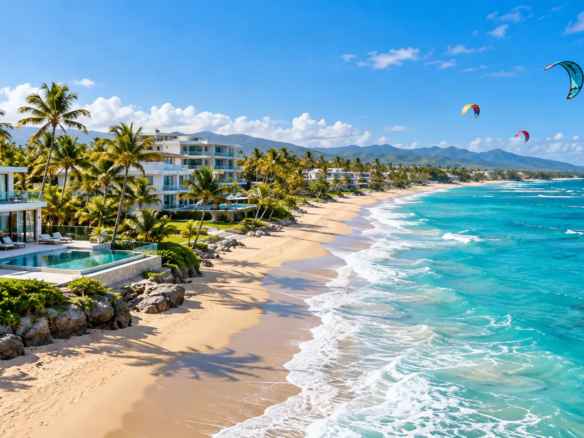
Rent is where your Dominican Republic expat budget either stays reasonable or blows up fast. Coastal towns with strong American demand, Sosúa, Cabarete, Las Terrenas, and Punta Cana, charge a premium for anything within walking distance of the beach.
- Sosúa & Cabarete (North Coast): One-bedroom apartments run 450–800; beachfront condos start near $900.
- Las Terrenas (Samaná Peninsula): Popular with remote workers; rentals average 600–1,200 for modern units.
- Punta Cana & Cap Cana (East Coast): Gated communities and resort-style condos push rent to 1,000–2,500.
- Santo Domingo (Capital): Neighborhoods like Piantini, Naco, and Bella Vista offer city living from 700–1,600.
- Jarabacoa & Constanza (Mountains): The cheapest option for retirees, often under $500.
Americans focused on Sosúa can also compare this Sosua hillside community when weighing long-term ownership against monthly rent, particularly if a villa-style property fits their plans better than a smaller rental apartment.
If you’re comparing buying versus renting long-term, browsing local Sosúa real estate listings gives you a clearer picture of current asking prices than any national average can. And if you’re leaning toward buying, it’s worth checking which areas offer the strongest rental returns, our breakdown of the best rental property investments in the Dominican Republic covers where a purchase can actually pay for itself through short-term rental income.
Property Taxes and Ownership Costs
Dominican property tax (called IPI) only applies to homes valued above roughly RD$10 million (about $170,000), and it’s a modest 1% annual rate on the value above that threshold. Closing costs typically run 3% to 4% of the purchase price. Americans buying property here don’t face any restriction on foreign ownership, which is a major draw compared to other Caribbean markets.
Everyday Expenses: Food, Transportation, and Utilities
Grocery prices in the Dominican Republic stay low if you shop where locals shop. A weekly trip to a local colmado or public market costs a fraction of what a supermarket chain charges for imported brands.
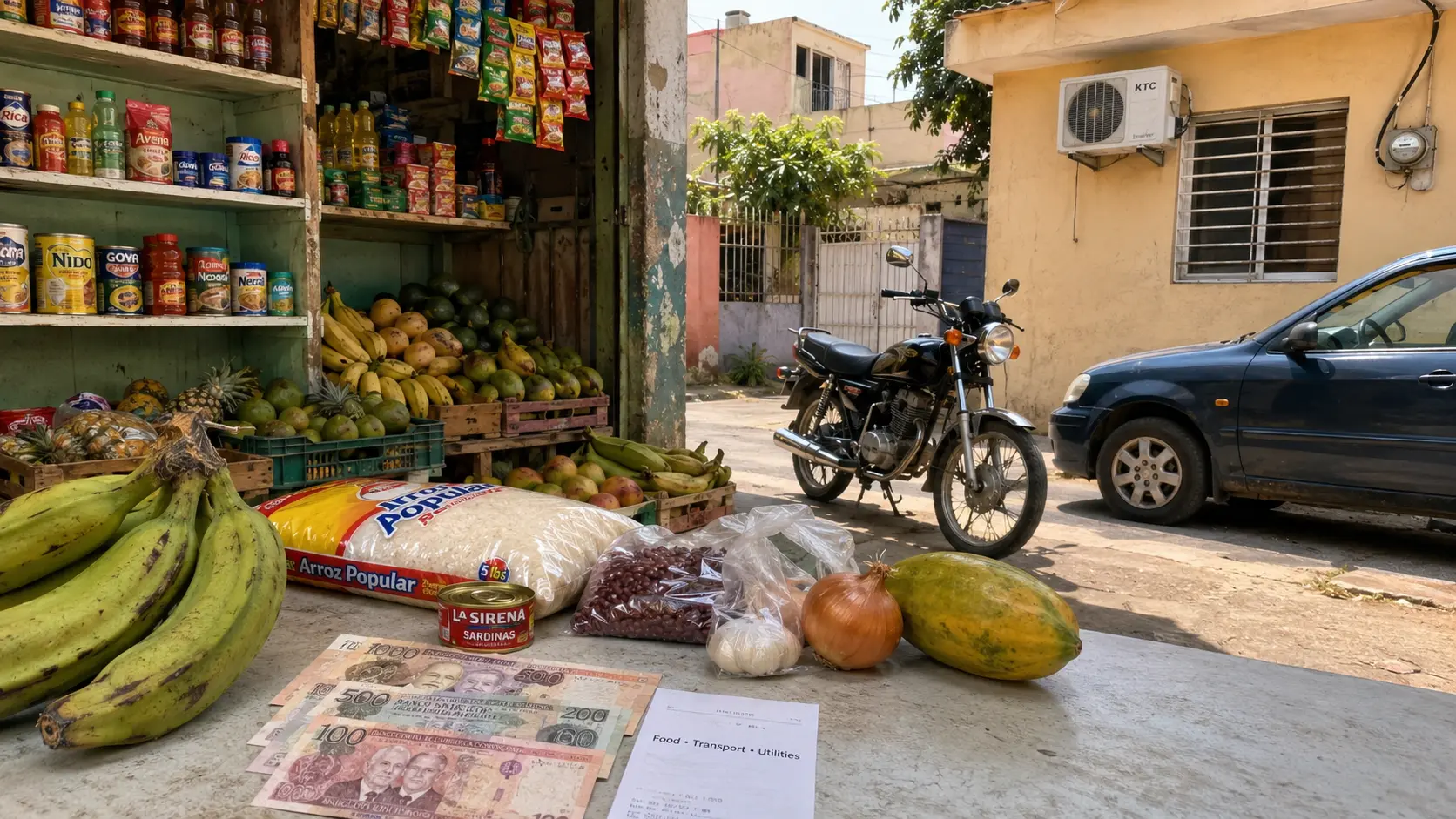
- Local produce and staples: Rice, beans, plantains, and tropical fruit are cheap year-round.
- Imported goods: Cereal, cheese, and packaged snacks cost close to U.S. prices or higher.
- Dining out: A meal at a local spot runs 5–10; tourist-area restaurants charge 20–40 per person.
- Transportation: Motoconchos (motorbike taxis) cost 1–3 per ride; a used car runs 8,000–15,000.
- Electricity: The single biggest budget-buster, since constant AC use in summer months can double your bill.
Households that skip a car and use rideshare or motoconchos regularly cut hundreds off their monthly total. Buying a home closer to town centers, rather than isolated developments, also reduces how much you spend commuting.
Property type can affect the monthly budget as well. Americans considering a highly sought-after beachfront option in Cabarete should account for electricity, transportation, and routine villa upkeep alongside their other living expenses.
Healthcare and Insurance Costs for American Expats
Healthcare is one area where the cost of living in the Dominican Republic genuinely beats U.S. pricing without sacrificing quality. Major cities like Santo Domingo and Santiago have private hospitals with U.S.-trained doctors and modern equipment.
- Doctor visit (private clinic): 30–60
- Private health insurance (monthly): 40–80 for a healthy adult under 60
- Prescription medications: 50%–60% cheaper than U.S. pharmacy prices
- Emergency room visit: Typically 100–300 without insurance, far below U.S. rates
Most Americans buy local private insurance rather than relying on Medicare, since Medicare doesn’t cover care outside the United States. Retirees on a fixed income often find this single change frees up hundreds of dollars a month compared to their old U.S. premiums.
Visa, Residency, and One-Time Relocation Costs
Beyond monthly bills, plan for setup costs in your first year. A tourist visa covers stays up to 30 days and can be extended, but most long-term residents apply for temporary residency, which runs 1,500–3,000 in legal and government fees. Shipping household goods, pet relocation, and initial furniture purchases can add another 2,000–5,000 depending on how much you bring from the U.S.
Working with trusted neighborhood brokers nearby during your first property search also saves money long-term. A broker who knows local pricing keeps you from overpaying in tourist-heavy zones where listings are marked up for foreign buyers.
How Much Money Do You Need to Live Comfortably in the Dominican Republic?
A single person needs $1,500 to $2,500 a month for a comfortable lifestyle that includes a modern rental, groceries, private insurance, and occasional dining out. Couples should plan for $2,000 to $3,500. Families with kids in international school need to budget an extra 300–800 per child monthly for tuition, since public schools use Spanish-only instruction.
Your exact number depends heavily on three things: which region you pick, whether you buy or rent, and how much air conditioning you run. Buyers who purchase early, rather than renting indefinitely at rising tourist-area rates, often break even within a few years. If you’re ready to compare current listings across regions, our advanced property search tool filters by price, town, and property type in a couple of clicks.
Americans considering Las Terrenas can also compare a premium coastal property in Las Terrenas when deciding whether ownership fits their long-term budget, especially when comparing the upfront purchase with the ongoing costs of living in a larger residential development.
FAQs
Is the Dominican Republic cheaper than the United States?
Yes, overall living costs run 40% to 60% lower than the U.S., with rent showing the biggest gap. A one-bedroom apartment that costs $1,800 in a mid-sized U.S. city often rents for 500–800 in the Dominican Republic.
Can Americans buy property in the Dominican Republic?
Yes. Americans have the same property rights as Dominican citizens, with no restrictions on foreign ownership. Closing costs run about 3% to 4% of the purchase price, plus a small annual property tax on homes above roughly $170,000 in value.
How much does health insurance cost for expats in the Dominican Republic?
Private health insurance for a healthy adult typically costs $40 to $80 a month. Doctor visits without insurance run $30 to $60, and hospital care in major cities matches U.S. quality standards at a fraction of the price.
What is the cheapest place to live in the Dominican Republic?
Mountain towns like Jarabacoa and Constanza offer the lowest cost of living, often under $1,400 a month for a single person. Coastal towns popular with Americans, like Sosúa and Las Terrenas, cost more but offer easier access to beaches and expat communities.
Do I need a car in the Dominican Republic?
No, not always. Motoconchos, taxis, and rideshare apps cover most daily needs in towns and small cities. A car becomes more useful if you live outside a city center or plan frequent road trips between regions.
How much does electricity cost with air conditioning in the Dominican Republic?
Electricity runs $60 to $150 a month for moderate AC use in a one-bedroom home. Heavy AC use during the hottest months can push that number higher, making it one of the largest monthly utility costs for expats.
Is it safe for American retirees to move to the Dominican Republic?
Yes, with normal precautions. Gated communities and established expat towns like Cabarete and Punta Cana see large retiree populations, strong local support networks, and lower crime rates than tourist perception suggests. Most retirees report feeling safer day-to-day than in many U.S. cities.
Conclusion
The cost of living in the Dominican Republic for Americans comes down to three real variables: where you live, whether you rent or buy, and how much air conditioning you use. Most single expats land comfortably in the $1,500 to $2,500 monthly range, while couples budget closer to $2,000 to $3,500. Healthcare, groceries, and transportation stay affordable almost everywhere, which is what keeps total costs so far below U.S. averages. The biggest financial decision you’ll make isn’t your grocery bill, it’s your housing choice.
Buying early in a growing market often beats renting long-term once you factor in rising tourist-season rates. Comparing listings across regions before you commit gives you real leverage on price and location. Whether you’re drawn to beachfront living, mountain quiet, or city convenience, matching your budget to the right neighborhood is the single biggest factor in making your move affordable. Start by browsing current listings and talking to a broker who actually knows local pricing before you sign a lease or make an offer.